Archives for posts with tag: sustainability

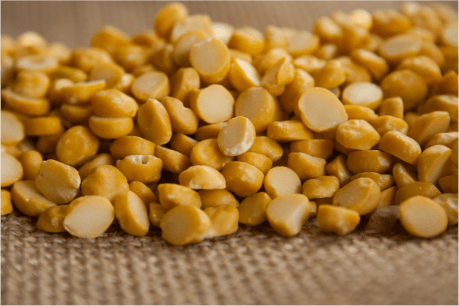
Lentils

This article is an extract from my booklet “The Low Emissions Diet: Eating for a safe climate“. It updates and expands on previous articles.

One of the most common questions heard by any vegetarian or vegan is: “Where do you get your protein?”

The question arises because of a common misconception that protein is only available in meat or other animal products, such as chickens’ eggs or cows’ milk, or that plant-based protein is somehow inferior.

The fact that some of the largest, strongest animals are herbivores or near-herbivores should alert people to the fact that there is plenty of protein available without eating animals. The range of such animals includes elephants, rhinoceroses, giraffes, cattle, horses and great apes such as chimpanzees, gorillas, and orangutans.

The position is further highlighted by comments from Dr David Pimentel of Cornell University, who reported in 2003 that the grain fed each year to livestock in the United States could feed 840 million people on a plant-based diet.[i]

Referring to US Department of Agriculture statistics, Pimentel has also stated that the US livestock population consumes more than 7 times as much grain as is consumed directly by the entire American population.

He and Marcia Pimentel have also reported:

 “. . . each American consumes about twice the recommended daily allowance for protein”

Those comments partially reflect the gross and inherent inefficiency of animals as a food source.

Is it difficult to replace animal protein with plant protein?

The Physicians Committee for Responsible Medicine (PCRM) has stated:[ii]

“To consume a diet that contains enough, but not too much, protein, simply replace animal products with grains, vegetables, legumes (peas, beans, and lentils), and fruits. As long as one is eating a variety of plant foods in sufficient quantity to maintain one’s weight, the body gets plenty of protein.”

Also:

 “It was once thought that various plant foods had to be eaten together to get their full protein value, but current research suggests this is not the case. Many nutrition authorities, including the American Dietetic Association, believe protein needs can easily be met by consuming a variety of plant protein sources over an entire day. To get the best benefit from the protein you consume, it is important to eat enough calories to meet your energy needs.”

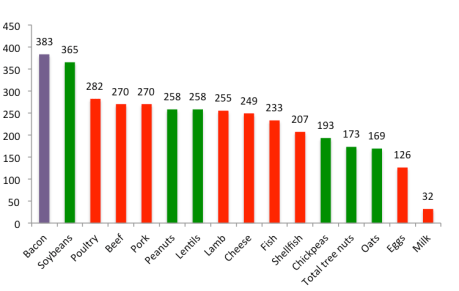
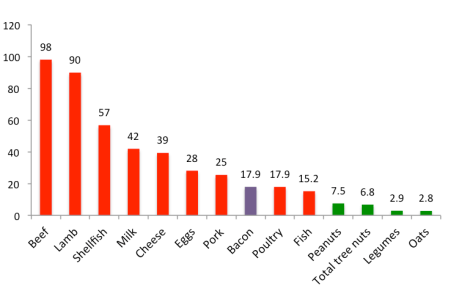
The US Department of Agriculture has reported the following protein content for a variety of food products:[iii]

Figure 1: Protein content of various foods (grams per kilogram)

Figure-1

The legume figures (soy beans, lupins, peanuts, mung beans, navy beans, chickpeas and lentils) are based on raw product. Due to increased water content, soaking or boiling reduces protein content per kilogram. (The emissions attributed to the product, per kilogram, are also reduced.)

Figure 11 shows that 81 per cent of protein produced in Australia in 2011/12 came from plants, and only 19 per cent from animals.

It includes products that are exported and/or used as livestock feed. The inclusion of the latter means there is some double counting of protein and other nutrients. However, given animal agriculture’s relatively low output level, the double counting is not significant in most cases.

 Figure 2: Nutrient Value of Australian Food Production 2011/12

Figure-2

The chart is based on: (a) production figures from the Department of Agriculture, Fisheries and Forestry’s “Australian food statistics 2011-12″;[iv] and (b) nutritional information for each product from the United States Department of Agriculture’s (USDA) National Nutrient Database for Standard Reference.[v]

 Adequacy of Alternative Diets

The American Dietetic Association (referred to earlier) has said:[vi]

“It is the position of the American Dietetic Association that appropriately planned vegetarian diets, including total vegetarian or vegan diets, are healthful, nutritionally adequate, and may provide health benefits in the prevention and treatment of certain diseases. Well-planned vegetarian diets are appropriate for individuals during all stages of the life cycle, including pregnancy, lactation, infancy, childhood, and adolescence, and for athletes. A vegetarian diet is defined as one that does not include meat (including fowl) or seafood, or products containing those foods.”

The extent of fortification of foods with nutrients such as vitamin B12 and vitamin D varies by country. As a result, it is important to review the adequacy of your diet based on local conditions, as partially reflected in this statement from Australia’s National Health and Medical Research Council (also supporting vegetarian and vegan diets):[vii]

“Appropriately planned vegetarian diets, including total vegetarian or vegan diets, are healthy and nutritionally adequate. Well-planned vegetarian diets are appropriate for individuals during all stages of the lifecycle. Those following a strict vegetarian or vegan diet can meet nutrient requirements as long as energy needs are met and an appropriate variety of plant foods are eaten throughout the day. Those following a vegan diet should choose foods to ensure adequate intake of iron and zinc and to optimise the absorption and bioavailability of iron, zinc and calcium. Supplementation of vitamin B12 may be required for people with strict vegan dietary patterns.”

Vitamin B12

The vitamin B12 found in certain animal-based food products is produced by soil microbes that live in symbiotic relationships with plant roots, and which find their way into the animals’ digestive tracts. Such bacteria are also found in humans’ digestive tracts, but too far along to be readily absorbed for nutritional purposes.[viii]

Vitamin B12 is not synthesised by plants, nor is it generally found with vegetables in our modern sanitised lifestyle. However, B12 supplements are readily produced from microbes, to be ingested directly or incorporated in various other food products. That is a far more natural approach than: (a) destroying rainforests and other natural environs; and (b) operating livestock production systems; purely for animal-based food products.

Image-2

Calcium

There are ample plant-based sources of calcium, including unhulled tahini (sesame seed paste), chia seeds, almonds, turnips, kale, and spinach.

Animal proteins and excess amounts of calcium have been found to adversely affect bone density.[ix] PCRM (referred to earlier) has reported that animal protein tends to leach calcium from the bones, encouraging its passage into the urine and from the body.

Amongst many studies on the subject, a 2000 study from the Department of Medicine at the University of California at San Francisco showed that American women aged fifty and older have one of the highest rates of hip fractures in the world. The only countries with higher rates were Australia, New Zealand and certain European countries, where milk consumption is even higher than in the United States.[x]

 Vitamin D

It may be best not to rely on animal-based foods to satisfy your vitamin D requirements. The Medical Journal of Australia has reported: [xi]

“Most adults are unlikely to obtain more than 5%-10% of their vitamin D requirement from dietary sources. The main source of vitamin D for people residing in Australia and New Zealand is exposure to sunlight.”

 Whether or not you eat animal products, you need sunshine if possible, or perhaps supplements.

 Iron

There are two types of iron in food: haem and non-haem. Haem iron is absorbed by the body more readily than non-haem, and is only available in animal products. Is that a problem? Not according to authors writing in the Medical Journal of Australia, who said:[xii]

“Well planned vegetarian diets provide adequate amounts of non-haem iron if a wide variety of plant foods are regularly consumed. Research studies indicate that vegetarians are no more likely to have iron deficiency anaemia than non-vegetarians. Vegetarian diets are typically rich in vitamin C and other factors that facilitate non-haem iron absorption.”

PCRM has highlighted the role of excessive iron levels in the formation of cancer-causing free radicals. It has argued that iron from vegetarian food sources may be the better choice, as it is sufficient to promote adequate levels without encouraging iron stores above the recommended range.[xiii]

Zinc

While noting that vegetarians have an overall lower risk of common chronic diseases than non-vegetarians, another article in the Medical Journal of Australia concluded that well planned vegetarian diets “can provide adequate zinc for all age groups, and vegetarians appear to be at no greater risk of zinc deficiency than non-vegetarians”.[xiv]

Although phytic acid in legumes, unrefined cereals, seeds and nuts can inhibit zinc absorption, the effect can be offset by the presence of sulphur-containing amino acids in a range of seeds, nuts, grains and vegetables and hydroxy acids in citrus fruits, apples and grapes, which bind to zinc and enhance its absorption.

Everyday practices such as soaking, heating, sprouting, fermenting and leavening food also assists. Soaking is the typical approach in relation to legumes, as is fermenting and leavening bread by including yeast as an ingredient.

In any event, our bodies generally adapt to a lower zinc intake by absorbing more of the zinc consumed and excreting less.

The authors also noted that “different types of protein influence zinc absorption in different ways”. For example, casein in milk inhibits zinc absorption but soy protein does not.

Conclusion

Hopefully the sample of nutrients referred to in this article has highlighted the need to investigate your nutritional options independently of the food industry’s slick and expensive PR and advertising campaigns.

Author

Paul Mahony (also on Twitter, Scribd, Slideshare, New Matilda, Rabble and Viva la Vegan)

Footnotes

  1. No information in this article is intended to represent nutritional, dietary, medical, health or similar advice, and should not be relied upon as such.
  2. Comments on zinc added 21st February, 2016.

References

[i]      Pimentel, D., Cornell University “Livestock production and energy use”, Cleveland CJ, ed. Encyclopedia of energy (in press), cited in Pimentel, D. & Pimentel M. “Sustainability of meat-based and plantbased diets and the environment”, American Journal of Clinical Nutrition, Vol. 78, No. 3, 660S-663S, September 2003, http://ajcn.nutrition.org/content/78/3/660S.full

[ii]      Physicians Committee for Responsible Medicine “The Protein Myth”, http://www.pcrm.org/health/diets/vsk/vegetarian-starter-kit-protein

[iii]     USDA National Nutrient Database for Standard Reference at http://www.nal.usda.gov/fnic/foodcomp/search/http://www.nal.usda.gov/fnic/foodcomp/search/ via Nutrition Data at http://www.nutritiondata.com

[iv]     Dept of Agriculture, Fisheries and Forestry, “Australian Food Statistics 2011-12”, http://www.agriculture.gov.au/SiteCollectionDocuments/ag-food/publications/food-stats/daff-foodstats-2011-12.pdf

[v]      USDA National Nutrient Database for Standard Reference, op. cit.

[vi]     Craig, W.J., Mangels, A.R., American Dietetic Association, “Position of the American Dietetic Association: vegetarian diets.”, J Am Diet Assoc. 2009 Jul;109(7):1266-82, http://www.ncbi.nlm.nih.gov/pubmed/19562864

[vii]     National Health and Medical Research Council, Australian Dietary Guidelines (2013), p. 35, http://www.nhmrc.gov.au/guidelines-publications/n55

[viii]    Trafton, A., “MIT biologists solve vitamin puzzle”, MIT News, 21 March, 2007, http://newsoffice.mit.edu/2007/b12 and McDougall, J., “Vitamin B12 Deficiency—the Meat-eaters’ Last Stand”, McDougall Newsletter, Vol. 6, No. 11, Nov, 2007, https://www.drmcdougall.com/misc/2007nl/nov/b12.htm

[ix]     Mahony, P., “Climate change and diet: Calcium”, Terrastendo, 29th December, 2012, https://terrastendo.net/2012/12/29/climate-change-and-diet-calcium/

[x]      Frassetto, L.A., Todd, K.M., Morris, C, Jr., et al. “Worldwide incidence of hip fracture in elderly women: relation to consumption of animal and vegetable foods”, J. Gerontology 55 (2000): M585-M592, cited in Campbell, T.C. and Campbell, T.M. II , Campbell, T.C. and Campbell, T.M. II, “The China Study: Startling Implications for Diet, Weight Loss and Long-Term Health”, Wakefield Press, 2007, pp. 204-211

[xi]     Nowson, C.A., McGrath, J.J., Ebeling, P.R., Haikerwal, A., Daly, R.M., Sanders, K.M., Seibel, M.J. and Mason, R.S., “Vitamin D and health in adults in Australia and New Zealand: a position statement”, Med J Aust 2012; 196 (11): 686-687, doi: 10.5694/mja11.10301, https://www.mja.com.au/journal/2012/196/11/vitamin-d-and-health-adults-australia-and-new-zealand-position-statement

[xii]     Saunders, A.V., Craig, W.J., Baines, S.K. and Posen, J.S., “Iron and vegetarian diets”, MJA Open 2012; 1 Suppl 2: 11-16. doi:10.5694/mjao11.11494, 4th June, 2012, https://www.mja.com.au/open/2012/1/2/iron-and-vegetarian-diets; https://www.mja.com.au/system/files/issues/196_10_040612_supplement/sau11494_fm.pdf

[xiii]    Physicians Committee for Responsible Medicine (PCRM), “Iron: The Double-Edged Sword” (Food for Life Cancer Project), Undated (accessed 4th February 2016), https://www.pcrm.org/health/cancer-resources/diet-cancer/nutrition/iron-the-double-edged-sword

[xiv]    Saunders, A.V., Craig, W.J., Baines, S.K. and Posen, J.S., “Zinc and vegetarian diets”, MJA Open 2012; 1 Suppl 2: 17-21. doi:10.5694/mjao11.11493, 4th June, 2012, https://www.mja.com.au/open/2012/1/2/zinc-and-vegetarian-diets and https://www.mja.com.au/system/files/issues/196_10_040612_supplement/sau11493_fm.pdf

Images

Chana | PDPics | Pixabay | CC0 Public Domain

Vegetable carrot potato beetroot | AnnaPersson | Pixabay | CC0 Public Domain

dreamstime_s_174757

With dietary choices increasingly highlighted as a major contributor to climate change, it may be tempting to argue in favour of certain forms of meat consumption over others.

That’s a key element of the so-called “climatarian” diet. Here’s how the New York Times defines it: [1]

“A diet whose primary goal is to reverse climate change. This includes eating locally produced food (to reduce energy spent in transportation), choosing pork and poultry instead of beef and lamb (to limit gas emissions), and using every part of ingredients (apple cores, cheese rinds, etc.) to limit food waste.”

But can such choices realistically achieve what may be hoped for?

This article focuses on greenhouse gas emissions, but firstly a word on the issue of eating locally.

“Post-farm” emissions, including those from transportation, only account for 0.5 per cent of beef’s emissions, so there’s not much benefit in purchasing the locally produced product. [2] For lower-emissions products, transportation’s share of emissions is higher; Nijdam, et al. have reported an average contribution across all food types of around 11 per cent. [3]

Emissions intensity

Many life cycle assessment (LCA) studies have shown that meat from ruminant animals, such as cows and sheep, is far more emissions intensive than that from pigs, chickens or fish, while emissions from plant-based foods are lower still. Ruminants emit large amounts of methane, a potent greenhouse gas, and often graze widely, with implications for CO2 emissions through land clearing and soil carbon losses.

The LCA figures are generally based on a greenhouse gas “global warming potential” (GWP) calculated over a 100-year time horizon. [4]

The adverse impact is even more pronounced when a 20-year time horizon is used, primarily because most of the methane breaks down in the atmosphere before that point. As a result, the 100-year measure (showing the average impact of a gas over the longer period) understates methane’s shorter-term impacts, as it would be almost non-existent over the final eighty years.

Its significant impact in the early stages can be critical when considering feedback mechanisms that contribute to accelerating, potentially irreversible changes in our climate system.

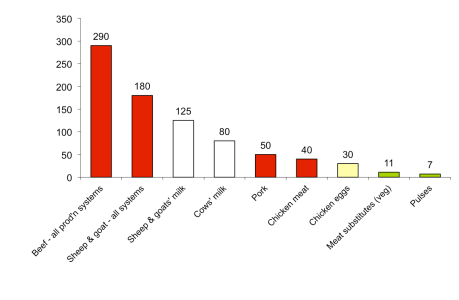
Comparative emissions intensities of different food products, relative to their protein content, are outlined in Figure 1. [Footnotes 1 and 2] The chart shows figures with 20-year and 100-year GWPs. The 100-year livestock figures, other than fish, are based on global average estimates from the Food and Agriculture Organization of the United Nations. [5] The figures for fish and other products are from a 2014 paper by Oxford University researchers, who drew on the work of the Food Climate Research Network and the World Wildlife Fund [6] [7]. Where relevant, they have been adjusted to a 20-year basis utilising GWP estimates from the Intergovernmental Panel on Climate Change’s (IPCC’s) 2013 Fifth Assessment Report.

The figures for beef represent meat from the specialised beef herd, rather than meat from the dairy herd. Dairy beef’s emissions are relatively low, as the herd’s emissions are also attributed to dairy products, such as milk and cheese.

The FAO reports were based on LCAs using its Global Livestock Environmental Assessment Model (GLEAM). The model, like the LCA assessment utilised by Oxford, took into account emissions along the supply chain to the retail point. For meat, they are based on carcass weight.

The figures for animal-based foods, in particular, vary significantly by region, and are influenced by factors such as feed digestibility, livestock management practices, reproduction performance and land use.

The figures take into account protein estimates from the US Department of Agriculture’s National Nutrient Database for Standard Reference. [6]

Figure 1: kg CO2-e greenhouse gas / kg protein based on GWP100 and GWP20 (global average figures)

Emissions-intensity-protein

The twenty-year figures for beef, sheep meat, pig meat and cows’ milk are influenced by the high proportion of methane emissions, ranging from 25.8 per cent (pigs) to 56.9 per cent (sheep). Most of pigs’ methane emissions, representing 19.2 per cent of their total emissions, come from manure management.

Is it okay to eat other animal products?

Even using the conservative 100-year time horizon, chicken meat, pig meat, fish and eggs are more than 3 times as emissions intensive as soybeans. Based on the 20-year period, pig meat is 5 times, and eggs are nearly 6 times. (The time period does not affect the emissions intensity of chicken meat and fish, as methane is not a significant factor in their emissions.)

If climate change impacts were considered to be a cost in their own right, those figures could be expressed as chicken meat being 200 per cent more “expensive”, pig meat being 400 per cent more “expensive”, and eggs being 500 per cent more “expensive”, than soybeans.

Inefficiencies on that scale would not normally be tolerated in government or private sector businesses, where discrepancies of 5 – 10 per cent can mean life or death to any project or program. Why should such levels of inefficiency be tolerated when they relate to greenhouse gas emissions, particularly when our current position in relation to climate change is so precarious?

A climate emergency with no buffer

As poorly as pig meat, chicken meat, fish and eggs compare to plant-based options on the basis of emissions intensity, that measure is only part of the story.

We face an emergency in which we are effectively sitting on the edge of a precipice, with little room to move before we lose any ability to favourably influence our climate system. [9] [10] In such a dangerous position, we need to select those dietary choices with the best chance of allowing us to move to a position of relative safety.

Due to the rapid expansion of soybean plantations for animal feed, consumption of pig and chicken meat, farmed fish, eggs and dairy products plays a critical role in the destruction of the Amazon rainforest and other carbon-rich ecosystems, such as the Cerrado region further south. [11]

With rising global temperatures and excessive forest fragmentation, we may be pushing the rainforest toward a dangerous threshold.  Such fragmentation can lead to general drying and an increased propensity for fires and other causes of loss. Studies published in late 2014 and early 2015 documented the extremely adverse long-term effects of forest fragmentation, including carbon losses far in excess of what was previously believed. Much of the fragmentation arises from agriculture, including livestock feed crops. [12] [13]

Dieback of the Amazon rainforest represents a potential tipping point, where a small change in human activity can lead to abrupt and significant changes in earth systems, with catastrophic and irreversible impacts. [14] Even in the absence of clear tipping points, climate feedback mechanisms create accelerating, potentially irreversible changes.

It could be argued that any agricultural plantation in the Amazon basin and elsewhere represents an environmental problem. That is true, but the problem is magnified in regard to animal feed, due to the gross and inherent inefficiency of animals as a food source. In converting soybeans to pig and chicken meat for example, we lose around 80 per cent of the plant-based protein used in the production process. [15] That means the land area required is around five times the area required if we obtained the protein directly from plants.

Feed conversion ratios of various livestock production systems are shown in Figure 2, which can also be seen in the article Chickens, pigs and the Amazon tipping point. The researchers determined the figures by analysing between twenty-nine and eighty-three studies per item.

Figure 2: Feed conversion ratios (kg feed protein required per kg of animal protein produced)

Feed-conversion-incl-salmon

Although soybean meal for livestock feed was once considered a by-product of soybean oil production, it is the requirement for livestock feed that now drives the international soybean trade. [16]

China’s livestock sector is the major global consumer of traded soy products. However, the trade is global, and demand pressure from any country contributes to an increase in overall supply, thereby increasing pressure on critical ecosystems in soy-producing regions.

In the absence of an overall global shift away from ruminant meat such as beef and lamb (the opposite trend is occurring in many developing nations), any increase in the consumption of pig meat, chicken meat, fish, eggs and dairy products will almost certainly cause soybean plantations to expand, rather than contract, with the potential loss of the massive carbon sink that the Amazon basin and Cerrado region represent. On the other hand, a general move away from those products may allow vast areas of cleared land to regenerate to something approaching their natural state.

Corn is also a major component of animal feed production. The crop is far more water and nutrient intensive than soy, so its use has major implications for producing nations, including those in South America. [17]

Other overlooked climate change impacts of consuming fish and other sea creatures

I recently commented on a paper that had appeared in Nature Climate Change, which had helped to highlight some of the impact of industrial and non-industrial fishing on our climate system. [18] [19] The problem arises largely from the fact that fishing disturbs food webs, changing the way ecosystems function, and altering the ecological balance of the oceans in dangerous ways. The paper focused on the phenomenon of “trophic downgrading”, the disproportionate loss of species high in the food chain, and its impact on vegetated coastal habitats consisting of seagrass meadows, mangroves and salt marshes.

The loss of predators such as large carnivorous fish, sharks, crabs, lobsters, seals and sea lions, and the corresponding population increase of herbivores and bioturbators (creatures that disturb ocean sediment, including certain crabs) causes loss of carbon from the vegetation and sediment. The ocean predators are either caught intentionally by fishing fleets, or as by-catch when other species are targeted.

The affected oceanic habitats are estimated to store up to 25 billion tonnes of carbon, making them the most carbon-rich ecosystems in the world. They sequester carbon 40 times faster than tropical rainforests and contribute 50 per cent of the total carbon buried in ocean sediment.

Estimates of the areas affected are unavailable, but if only 1 per cent of vegetated coastal habitats were affected to a depth of 1 metre in a year, around 460 million tonnes of CO2 could be released. That is around the level of emissions from all motor vehicles in Britain, France and Spain combined, or a little under Australia’s current annual emissions. If 10 per cent of such habitats were affected to the same depth, it would be equivalent to emissions from all motor vehicles in the top nine vehicle-owning nations (USA, China, India, Japan, Indonesia, Brazil, Italy, Germany, and Russia), whose share of global vehicle numbers is 61 per cent. It would also equate to around eight times Australia’s emissions.

Loss of ongoing carbon sequestration is the other problem. If sequestration capability was reduced by 20 per cent in only 10 per cent of vegetated coastal habitats, it would equate to a loss of forested area the size of Belgium.

These impacts only relate to vegetated coastal habitats, and do not allow for loss of predators on kelp forests, coral reefs or open oceans, or the direct impact on habitat of destructive fishing techniques such as trawling. They are not accounted for in the emissions intensity figures referred to earlier, or in national greenhouse gas inventories.

Conclusion

The argument of those who encourage increased consumption of pig meat, chicken meat, fish and eggs at the expense of beef and lamb is essentially one of “getting the biggest bang for the buck”, as reflected in the relative emissions intensity of different products. However, consumption of the supposedly more favourable animal-based foods has adverse impacts that are unaccounted for in most forms of climate change reporting, which should cause them to sit alongside ruminant meat in terms of campaigning efforts.

Author

Paul Mahony (also on Twitter, Scribd, Slideshare, New Matilda, Rabble and Viva la Vegan)

Footnotes

  1. The “GWP 20” figures are based on the global average percentage split of the various factors contributing to the relevant products’ emissions intensity, and are intended to be approximations only.
  2. Pulses comprise chickpeas, lentils, dried beans and dried peas. Along with soybeans, peanuts, fresh beans and fresh peas, they are members of the “legume” food group.
  3. This article focuses on climate change, but other critical environmental impacts arise from animal-based food production, such as contamination of land and waterways from animal waste, largely related to the inherent inefficiency of animals as a food source.

References

[1] Moskin, J., “‘Hangry’? Want a Slice of ‘Piecaken’? The Top New Food Words for 2015”, The New York Times, 15th December, 2015, http://www.nytimes.com/2015/12/16/dining/new-food-words.html?_r=0

[2] Food and Agriculture Organization of the United Nations, “Tackling climate change through livestock: A global assessment of emissions and mitigation opportunities”, Nov 2013, http://www.fao.org/ag/againfo/resources/en/publications/tackling_climate_change/index.htm; http://www.fao.org/docrep/018/i3437e/i3437e.pdf , extract of Fig. 7, p. 24

[3] Nijdam, D., Rood, T., & Westhoek, H. (PBL Netherlands Environmental Assessment Agency), “The price of protein: Review of land use and carbon footprints from life cycle assessments of animal food products and their substitutes”, Food Policy, 37 (2012) 760–770, published online 26th September, 2012, http://www.sciencedirect.com/science/article/pii/S0306919212000942

[4] Mahony, P. “GWP Explained”, Terrastendo, 14th June, 2013 (updated 15th March, 2015), https://terrastendo.net/gwp-explained/

[5] Food and Agriculture Organization of the United Nations, “Tackling climate change through livestock: A global assessment of  emissions and mitigation opportunities”, Table 5, p. 24, Nov 2013, http://www.fao.org/ag/againfo/resources/en/publications/tackling_climate_change/index.htm; http://www.fao.org/docrep/018/i3437e/i3437e.pdf

[6] Scarborough, P., Appleby, P.N., Mizdrak, A., Briggs, A.D.M., Travis, R.C., Bradbury, K.E., & Key, T.J., “Dietary greenhouse gas emissions of meat-eaters, fish-eaters, vegetarians and vegans in the UK”, Climatic Change, DOI 10.1007/s10584-014-1169-1, http://link.springer.com/article/10.1007%2Fs10584-014-1169-1

[7] Audsley E., Brander M., Chatterton J., Murphy-Bokern D.,Webster C., Williams A. (2009) “How low can we go? an
assessment of greenhouse gas emissions from the UK food system and the scope to reduce them by 2050″. Food Climate Research Network & WWF, London, UK, cited in Scarorough, et al., ibid, http://www.fcrn.org.uk/fcrn/publications/how-low-can-we-go and http://www.fcrn.org.uk/sites/default/files/WWF_How_Low_Report.pdf

[8] USDA National Nutrient Database for Standard Reference http://ndb.nal.usda.gov/ via Nutrition Data http://www.nutritiondata.com

[9] Mahony, P., “The climate crisis requires emergency action”, Terrastendo, 24th August, 2014, https://terrastendo.net/2014/08/24/the-climate-crisis-requires-emergency-action/

[10] Mahony, P. “On the edge of a climate change precipice“, Terrastendo, 3rd March, 2015, https://terrastendo.net/2015/03/03/on-the-edge-of-a-climate-change-precipice/

[11] Brown, L.R., “Full Planet, Empty Plates: The New Geopolitics of Food Scarcity, Chapter 9, China and the Soybean Challenge”, Earth Policy Institute, 6 November, 2013, http://www.earthpolicy.org/books/fpep/fpepch9

[12] Pütz, S., Groeneveld, J., Henle, K., Knogge, C., Martensen, A.C., Metz, M., Metzger, J.P., Ribeiro, M.C., de Paula, M. D., M. & Andreas Huth, A., “Long-term carbon loss in fragmented Neotropical forests”, Nature Communications 5:5037 doi: 10.1038/ncomms6037 (2014). http://dx.doi.org/10.1038/ncomms6037, cited in Hance, J., “Forest fragmentation’s carbon bomb: 736 million tonnes C02 annually”, Mongabay, 9th October, 2014, http://news.mongabay.com/2014/10/forest-fragmentations-carbon-bomb-736-million-tonnes-c02-annually/, cited in Mahony, P., “Chickens, pigs and the Amazon tipping point”, Terrastendo, 5th October, 2015, https://terrastendo.net/2015/10/05/chickens-pigs-and-the-amazon-tipping-point/

[13] Haddad, N.M., Brudvig, L.A., Clobert, J., Davies, K.F., Gonzalez, A., Holt, R.D., Lovejoy, T.E., Sexton, J.O., Austin, M.P., Collins, C.D., Cook, W.M., Damschen, E.I., Ewers, R.M., Foster, B.L., Jenkins, C.N., King, A.J., Laurance, W.F., Levey, D.J., Margules, C.R., Melbourne, B.A., Nicholls, A.O., Orrock, J.L., Song, D-X., and Townshend, J.R., “Habitat fragmentation and its lasting impact on Earth’s ecosystems”, Science Advances, 20 Mar 2015: Vol. 1, no. 2, e1500052 DOI: 10.1126/sciadv.1500052, http://advances.sciencemag.org/content/1/2/e1500052.full, cited in Bell., L., “World’s fragmented forests are deteriorating”, Mongabay, 24th March, 2015, http://news.mongabay.com/2015/03/worlds-fragmented-forests-are-deteriorating/, cited in Mahony, P., “Chickens, pigs and the Amazon tipping point”, ibid.

[14] Lenton, T.M., Held, H., Kriegler, E., Hall, J.W., Lucht, W., Rahmstorf, S., Schellnhuber, H.J., “Tipping elements in the Earth’s climate system, PNAS 2008 105 (6) 1786-1793; published ahead of print February 7, 2008, doi:10.1073/pnas.0705414105, http://www.pnas.org/content/105/6/1786.full

[15] Tilman, D., Clark, M., “Global diets link environmental sustainability and human health”, Nature515, 518–522 (27 November 2014) doi:10.1038/nature13959, Extended Data Table 7 “Protein conversion ratios of livestock production systems”, http://www.nature.com/nature/journal/v515/n7528/full/nature13959.html#t7, cited in Mahony, P., “Chickens, pigs and the Amazon tipping point”, op. cit.

[16] McFarlane, I. and O’Connor, E.A., “World soybean trade: growth and sustainability”, Modern Economy, 2014, 5, 580-588, Published Online May 2014 in SciRes, Table 1, p. 582, http://www.scirp.org/journal/me, http://dx.doi.org/10.4236/me.2014.55054, cited in Mahony, P., “Chickens, pigs and the Amazon tipping point”, Terrastendo, op. cit.

[17] Levitt, T., “Who will feed China’s pigs? And why it matters to us”, China Dialogue, 18th August, 2014, https://www.chinadialogue.net/article/show/single/en/7226-Who-will-feed-China-s-pigs-And-why-it-matters-to-us, cited in Mahony, P., “Chickens, pigs and the Amazon tipping point”, op. cit.

[18] Mahony, P., “Seafood and climate change: The surprising link”, New Matilda, 23rd November, 2015, https://newmatilda.com/2015/11/23/seafood-and-climate-change-the-surprising-link/

[19] Atwood, T.B., Connolly, R.M., Ritchie, E.G., Lovelock, C.E., Heithaus, M.R., Hays, G.C., Fourqurean, J.W., Macreadie, P.I., “Predators help protect carbon stocks in blue carbon ecosystems”, published online 28 September 2015, http://www.nature.com/nclimate/journal/vaop/ncurrent/full/nclimate2763.html, cited in Mahony, P., “Seafood and climate change: The surprising link”, ibid.

Image

Bull Spain © Afagundes | Dreamstime.com

Update

Figure 2 added on 25th October 2016

cows-1029077_640

Note from author

Subsequent to posting this article, I messaged and emailed One Green Planet. As a result, they have amended their article and headline. Global time differences resulted in the changes occurring on 5th January. I had offered to remove this article, but that was not required.

My article

This is a brief post, which attempts to correct a report commenting on the recent article “Warning: Your festive meal could be more damaging than a long-haul flight” by Guardian columnist, George Monbiot. [1]

The headline to the article of concern, from One Green Planet, declared that “consuming 2 pounds of grass-fed meat is worse for the planet than flying from New York City to London”. That statement was reinforced by the article itself, which contained the words, “. . . if two pounds of meat is equivalent to the carbon footprint of a six-hour flight . . .”. [2]

I tried to post in the comments section of the article, but was required to log in via Facebook, Google or Twitter. I declined when told they would require access to various items of information. I then considered commenting on One Green Planet’s Facebook page, but saw that the relevant post had been shared 299 times, and liked 835. I felt that such coverage required a response that was more significant than a Facebook comment (although I am not suggesting this article will be significantly more prominent than the other).

What’s the problem with One Green Planet’s article?

Monbiot wrote, “a kilogramme of beef protein reared on a British hill farm can generate the equivalent of 643kg of carbon dioxide”. One Green Planet has incorrectly interpreted Monbiot’s reference to “beef protein” as “beef”, and similarly “lamb protein” as “lamb”.

The authors of the study cited by Monbiot (corresponding author Durk Nijdam) had assumed beef and lamb each contain 20 per cent protein. [3] That wasn’t clear from Monbiot’s Guardian article, but was mentioned in notes following the corresponding article on his own website, with the headline “Sacrifice“. [4] (Based on those notes, one passenger’s emissions on the trans-Atlantic flight would be 614 kg.)

The result is that for any given quantity of protein in beef or lamb, the meat itself weighs five times as much.

In any event, Monbiot referred to kilograms, rather than pounds. 1 kilogram is roughly equal to 2.2 pounds rather than 2, so the weight of the meat he was referring to was actually 5 kilograms, or around 11 pounds.

Based on those numbers, One Green Planet should have declared “consuming 11 pounds of grass-fed meat is worse for the planet than flying from New York City to London“.

It’s still remarkable that such an amount of beef (representing around 20 regular servings of beef steak) could result in more emissions than one passenger’s share of a trans-Atlantic flight.

Other issues

Attribution of emissions

I cited the Nijdam study in a March 2015 article, in which I commented on a paper by Chatham House. [5, 6] (Monbiot also referred to the Chatham House paper in his article.)

A key point from my article was that the emissions of dairy products and beef from the dairy herd are generally low relative to emissions of meat from the specialised beef herd. The reason is that the dairy herd’s emissions are attributed to a wider range of products (including milk, cheese and meat) than are the emissions of cows bred specifically for beef.

The relevance of that point to Monbiot’s emissions intensity figures (kilograms of greenhouse gas per kilogram of protein) is that his figures have been grossed up from live weight to retail weight. In other words, all emissions relating to the animal have been attributed to the meat on the plate.

Consistent with the approach applied to the dairy herd, it could be argued that emissions should also be attributed to other products generated from the animal, such as liver, kidneys, tripe, tongue, gelatin and leather, thereby reducing the emissions attributed to the retail cut of meat.

The Food and Agriculture Organization of the United Nations (FAO) and others have reported emissions by carcass weight, which falls between live weight and retail weight. I have used carcass weight and retail weight in various articles, noting the issues involved.

What percentage protein?

As mentioned earlier, Nijdam and his co-authors assumed that beef and lamb are 20 per cent protein. The United States Department of Agriculture (USDA) assumes a figure of 27 per cent. [7] Using that figure, the emissions figures determined for the Nijdam paper would have reduced to 476 kg for beef and 555 kg for lamb.

As noted by Monbiot, the figures are at the top end of a wide range of emissions intensity figures for beef and lamb, from numerous studies. Livestock-related emissions vary significantly by region and production system, and are influenced by factors such as feed digestibility, livestock management practices, reproduction performance and land use. I have often quoted global average figures, such as those in Figure 1 from the FAO (for livestock products) [8] and Nijdam, et al. (for plant-based products).

Figure 1: Emissions intensity of various products (kg CO2-e/kg protein)

One-green-planet-emissions-intensity

The emissions intensity of food products is often calculated as kilograms of greenhouse gas per kilogram of end product, rather than per kilogram of protein. The latter produces higher figures, as protein is one component of many. Both measures were used in the Nijdam paper.

Global warming potential

Although the quoted emissions intensity figures are based on a 100-year time horizon, it is also important to consider a 20-year period. The reason is that methane, which is prominent in emissions of ruminant animals such as cows and sheep, breaks down in the atmosphere to a large extent within that time frame. The 100-year measure (showing the average impact of a gas over the longer period) understates methane’s shorter term impacts, as the gas would almost be non-existent over the final eighty years.

Those impacts will be critical as we try to avoid near-term acceleration of climate change, influenced by significant feedback mechanisms, potentially causing us to lose any ability to influence the climate system in favourable ways.

The multiplier used to convert the warming impact of any non-CO2 greenhouse gas to a “CO2-equivalent” (CO2-e) figure is known as the “global warming potential” or “GWP”. [9]

Figure 2 shows the FAO and Nijdam, et al. figures, adjusted to a 20-year time horizon.

Figure 2: Emissions intensity of various products (kg CO2-e/kg protein with GWP20)

One-green-planet-emissions-intensity-GWP20

Based on those figures, the emissions of specialised, non-dairy beef are only slightly below those from one passenger’s share of a trans-Atlantic flight. As methane is not a significant factor in aviation emissions, the 20-year time horizon would only marginally affect the results. Nitrous oxide is also not significant in aviation emissions. Unlike methane, its potency as a greenhouse gas is slightly lower over a 20-year time horizon than over the 100-year period.

Conclusion

The impact of livestock production on global warming and climate change is increasingly prominent in the media. The issues can be reasonably complex, and oversights such as the one that appears to have occurred in One Green Planet’s article should perhaps not come as a surprise, particularly when end notes that appeared in a corresponding article were absent from the article they reviewed. I hope this article enhances the general understanding of the issues, to assist us in addressing a factor that will be critical in our efforts to overcome climate change.

Author

Paul Mahony (also on Twitter, Facebook, New Matilda, Rabble and Viva la Vegan)

References

[1] Monbiot, G., “Warning: Your festive meal could be more damaging than a long-haul flight”, The Guardian, 23 December 2015, https://www.theguardian.com/commentisfree/2015/dec/22/festive-christmas-meal-long-haul-flight-meats-damaging-planet

[2] One Green Planet, “Consuming 2 lbs of Grass-Fed Beef Protein is Worse for the Planet Than Flying From NYC to London!”, undated, http://www.onegreenplanet.org/environment/grass-fed-meat-is-worse-than-flying-from-nyc-to-london/

[3] Nijdam, D., Rood, T., & Westhoek, H. (PBL Netherlands Environmental Assessment Agency), “The price of protein: Review of land use and carbon footprints from life cycle assessments of animal food products and their substitutes”, Food Policy, 37 (2012) 760–770, published online 26th September, 2012, http://www.sciencedirect.com/science/article/pii/S0306919212000942

[4] Monbiot, G., “Sacrifice”, 22 December 2015, https://www.monbiot.com/2015/12/22/sacrifice/

[5] Mahony, P. “Some concerns with Chatham House”, Terrastendo, 22 March 2015, https://terrastendo.net/2015/03/22/some-concerns-with-chatham-house/

[6] Bailey, R., Froggatt, A., Wellesley, L., “Livestock – Climate Change’s Forgotten Sector: Global Public Opinion on Meat and Dairy Consumption”, Chatham House, The Royal Institute of International Affairs, December, 2014, http://www.chathamhouse.org/publication/livestock-%E2%80%93-climate-change%E2%80%99s-forgotten-sector-global-public-opinion-meat-and-dairy

[7] USDA National Nutrient Database for Standard Reference at http://www.nal.usda.gov/fnic/foodcomp/search/http://www.nal.usda.gov/fnic/foodcomp/search/ via Nutrition Data at http://www.nutritiondata.com

[8] Gerber, P.J., Steinfeld, H., Henderson, B., Mottet, A., Opio, C., Dijkman, J., Falcucci, A. & Tempio, G., 2013, “Tackling climate change through livestock – A global assessment of emissions and mitigation opportunities”, Food and Agriculture Organization of the United Nations (FAO), Rome, Figure 3, Global emission intensities by commodity, p. 16, http://www.fao.org/ag/againfo/resources/en/publications/tackling_climate_change/index.htm

[9] Mahony, P., “GWP Explained”, Terrastendo, 14th June 2013 (updated 15th March 2015), https://terrastendo.net/gwp-explained/

Image

McLac2000 | Pixabay


dreamstime_xs_50763173

A recent study from researchers at Carnegie Mellon University in Pittsburgh considered changes in energy usage, water usage and greenhouse gas emissions that could result from changing US food consumption patterns. This post focuses on the emissions aspect of that study. It uses emissions figures from the same source used by the study’s authors, and nutrient figures from the US Department of Agriculture’s National Nutrient Database for Standard Reference.

Some curious aspects of the university’s announcement

On 14th December, 2015, the university released an article regarding the study. Some points to note:

  • It said the study’s findings were contrary to what had been said by Arnold Schwarzenegger in a speech at the recent Paris Climate Summit, where he had called for a reduction in meat consumption. The article referred to him solely as an “actor”, and neglected to mention the seemingly relevant point that Schwarzenegger had served two terms as governor of California, with environmental issues high on his agenda. (I am not critiquing his record in that regard.)
  • The study finding that was said to be contrary to Schwarzenegger’s statements was that “eating a vegetarian diet could contribute to climate change”. However, contrary to that statement, the study did not consider vegetarian or vegan diets. It considered dietary scenarios based on the 2010 USDA Dietary Guidelines, which included seafood products. (Neither the study nor the university’s article referred to vegan diets, which exclude egg and dairy products.)
  • The finding that a vegetarian diet “could contribute to climate change” is hardly a revelation. The key point is that its impact is generally less than that of a diet that includes meat, while a vegan diet’s impact would be less again.
  • The article quoted a co-author of the study, Paul Fischbeck, saying, “Eating lettuce is over three times worse in greenhouse gas emissions than eating bacon”. Apart from the poor grammar, that widely circulated statement lacked a key point that was mentioned later in the article, which was that the study assessed emissions on a “per calorie” basis, rather than the conventional basis of “per kilogram of end product”. For reasons referred to below, the validity of the “per calorie” approach is extremely questionable.
  • Lettuce was not specifically referred to in the study, but was included in the “vegetables” category.

Not a valid comparison

We do not generally eat lettuce for calories, which are a measure of food’s energy content. Energy from food is essential for our survival, but is generally obtained from foods other than lettuce. (It is widely known that excessive calories can contribute to weight problems.)

The authors were investigating the environmental impacts of achieving a healthy diet in terms of calorie count. However, it seems to make little sense to compare a food high in calories, such as bacon, to one which we rely on for other benefits.

Cos (romaine) lettuce was the variety considered for the purpose of the study. It is a good source of riboflavin, vitamin B6, calcium, magnesium, phosphorus, copper, dietary fiber, vitamin A, vitamin C, vitamin K, thiamine, folate, iron, potassium and manganese, while being low in saturated fat, cholesterol and sodium. They are all good reasons to eat it, but we would not be doing so as an energy source.

Bacon, on the other hand, is a good source of protein, niacin, phosphorus and selenium, but has the disadvantages of being high in saturated fat (and related calories) and sodium. It has also been found by the World Health Organization and The World Cancer Research Fund to increase the risk of bowel cancer.

If Paul Fischbeck intended to comment on greenhouse gas emissions in relation to a particular nutrient or other feature, then it may have been beneficial to discuss a feature that was prominent in the foods being compared, so that we could choose a realistic option.

According to the USDA, cos lettuce has only 170 calories per kilogram, compared to bacon with 5,330. It would take around 48 average size heads of cos lettuce (weighing around 650 grams or 1 pound, 7 ounces each) to generate the same level of calories as 1 kilogram of bacon (comprising 25 to 30 thin or 15 to 20 thick slices).

Fischbeck also chose to comment on a type of meat with low emissions relative to meat from ruminant animals such as cows and sheep. Ruminants emit large amounts of methane, a potent greenhouse gas, and often graze widely, with implications for CO2 emissions through land clearing and soil carbon losses. Their impact should not be ignored in any discussion comparing greenhouse gas emissions of different foods.

Emissions per kilogram of product including alternative time horizons

A more valid measure than the one used in the study would seem to be the widely used greenhouse gas emissions per kilogram of end product.

Although most published emissions figures are based on a 100-year time horizon, it is also important to consider a 20-year period. The reason is that methane breaks down in the atmosphere to a large extent within that time frame. As a result, the 100-year measure (showing the average impact of a gas over the longer period) understates methane’s shorter term impacts, as the gas would be almost non-existent over the final eighty years. Those impacts will be critical as we try to avoid near-term acceleration of climate change, influenced by significant feedback mechanisms, potentially causing us to lose any ability to influence the climate system in favourable ways. The multiplier used to convert a gas’s warming impact to a “CO2-equivalent” (CO2-e) figure is known as the “global warming potential” or “GWP”.

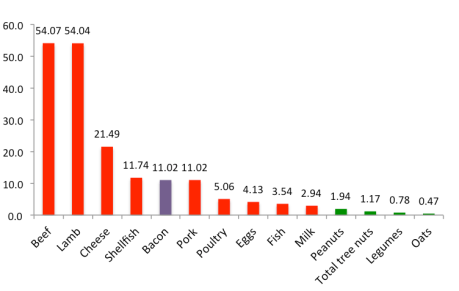
Figures 2 and 3 show emissions of bacon, lettuce and beef with 100-year and 20-year GWPs.

As indicated earlier, the 100-year emissions figures used throughout this article (and used as the basis for calculating the 20-year figures) are from the data source utilised by the Carnegie Mellon researchers. It was a 2014 review by Martin Heller and Gregory Keoleian from the University of Michigan of life cycle assessment studies (LCAs) relating to US food consumption. The average figures from that review have been used. The LCAs it used were from the US and “other developed countries”. As a result, the figures for animal-based products, in particular, may be conservative relative to the global average. Emissions vary by region, and are influenced by factors such as feed digestibility, livestock management practices, reproduction performance and land use.

For the purpose of the 20-year comparison, the figures for beef and pork have been adjusted based on global average apportionment of emissions categories, as estimated by the Food and Agriculture Organization of the United Nations. As such, in the context of US emissions, the 20-year figures are approximations only.

The comparison is based on 1 kilogram servings of each product, with depictions of the estimated quantities shown in Figure 1. The depiction of eighteen bacon slices is based on an approximate average weight of thick rindless back bacon slices. The lettuces shown here are relatively small heads of cos lettuce, with some of the outer leaves removed. A large cos can weigh around 800 grams, while smaller heads with some leaves removed would typically weigh around 500 grams. A regular steak can weigh around 250 grams.

Figure 1: Estimated 1 kilogram (2.2 pound) servings (not to scale)

Slide1 (1)

Figure 2: Kilograms of greenhouse gas emissions per kilogram of product (100-year GWP)

Chart-GWP100

Figure 3: Kilograms of greenhouse gas emissions per kilogram of product (20-year GWP)

Chart-GWP20

Other products and emissions per kilogram of protein

It is possible to compare emissions per kilogram based on any common nutrient. As protein is abundant in animal and plant products, and is often the focus of attention in terms of nutrition, a comparison based on emissions per kilogram of protein may be useful. The protein content of various products is shown in figure 4.

Figure 4: Protein content (grams per kilogram of product)

Protein-content-3-Jan-2015

Notes: 1. The average of soybeans (365), lentils (258) and chickpeas (193) is allowed for in the “legumes” figures below; 2. The legume figures are based on raw product. Due to increased water content, soaking or boiling reduces protein content per kilogram.

100-year Global Warming Potential

The charts below show emissions per kilogram of: (a) product; and (b) protein; based on a 100-year time horizon.

Figure 5(a): Kilograms of greenhouse gas emissions per kilogram of product (GWP100)

Emissions-intensity-GWP100-Heller-Keoleian

Figure 5(b): Kilograms of greenhouse gas emissions per kilogram of protein (GWP100)

Emissions-per-kg-protein-GWP100

20-year Global Warming Potential

The charts below show emissions per kilogram of: (a) product; and (b) protein; based on a 20-year time horizon.

Figure 6(a): Kilograms of greenhouse gas emissions per kilogram of product (GWP20)

Emissions-intensity-GWP20-Heller-Keoleian

Figure 6(b): Kilograms of greenhouse gas emissions per kilogram of protein (GWP20)

Emissions-per-kg-protein-GWP20

Alternative multiples

Based on the preceding analysis, I argue that the following multiples of emissions from beef and bacon relative to legumes are more valid comparisons than Paul Fischbeck’s comparison of lettuce to bacon.

100-year Time Horizon

Kilograms of CO2-e greenhouse gas per kilogram of product relative to legumes (100-year GWP):

  • Beef: 34 times
  • Bacon: 9 times

Kilograms of CO2-e greenhouse gas per kilogram of protein relative to legumes (100-year GWP):

  • Beef: 34 times
  • Bacon: 6 times

20-year Time Horizon

Kilograms of CO2-e greenhouse gas per kilogram of product relative to legumes (20-year GWP)

  • Beef: 69 times
  • Bacon: 14 times

Kilograms of CO2-e greenhouse gas per kilogram of protein relative to legumes (20-year GWP)

  • Beef: 69 times
  • Bacon: 10 times

Other considerations and conclusion

The emissions intensity of different food products, as utilised in the Carnegie Mellon study and this article, are important factors in helping to identify opportunities for a low emissions diet. Although they almost invariably favour plant-based over animal-based foods, we must also consider other critical problems in animal-based food production.

An example is the precarious position of the Amazon rainforest, which results primarily from inherently inefficient animal-based food production, including livestock grazing and soybean plantations feeding billions of chickens, pigs and cows. We have virtually no buffer available in our efforts to avoid catastrophic climate change, and it is essential that we remove the pressure that currently exists on the Amazon and other critical ecosystems.

Another example is the dramatic release of carbon from ocean vegetation and sediment, along with loss of carbon sequestration capacity, due to industrial and recreational fishing.

In a nation considered to be the home of free enterprise, indirect subsidies to US animal-based food producers should be considered an anathema. Those subsidies are created by the fact that the true cost of animal-based food production is not accounted for in the consumer price. Rather, such costs currently represent externalities, borne by the community as a whole. If they were incorporated in the end price, the market for the more environmentally harmful products would contract, with major overall benefits.

The authors of the Carnegie Mellon study may be concerned about Americans’ ability to achieve a healthier diet, while also reducing greenhouse gas emissions. However, with the huge array of plant-based options available, which on any reasonable comparison offer enormous climate change benefits, it is clear that a general transition away from animal-based food products is essential and achievable.

Author

Paul Mahony (also on Twitter, Facebook, Scribd, Slideshare, New Matilda, Rabble and Viva la Vegan)

References

Tom, M.S., Fischbeck, P.S., Hendrickson, C.T., “Energy use, blue water footprint, and greenhouse gas emissions for current food consumption patterns and dietary recommendations in the US”, Environment Systems and Decisions, published online 24th November, 2015, http://link.springer.com/article/10.1007/s10669-015-9577-y

Rea, S., “Vegetarian and ‘healthy’ diets could be more harmful to the environment”, Carnegie Mellon University News, 14th December, 2015, http://www.cmu.edu/news/stories/archives/2015/december/diet-and-environment.html

Harrabin, R., BBC Science and Environment, “COP21: Arnold Schwarzenegger: ‘Go part-time vegetarian to protect the planet'”, 8th December, 2015, http://www.bbc.com/news/science-environment-35039465

USDA National Nutrient Database for Standard Reference http://ndb.nal.usda.gov/ via Nutrition Data http://www.nutritiondata.com

Heller M., Keoleian G. (2014) “Greenhouse gas emission estimates of US dietary choices and food loss”, J Ind Ecol 19(3):391–401. doi:10.1111/jiec.12174, http://onlinelibrary.wiley.com/doi/10.1111/jiec.12174/abstract

Brake Bros Ltd, Bacon Buying Guide, http://www.brake.co.uk/_assets/Buying%20Guides_BACON.pdf

Food and Agriculture Organization of the United Nations, “Tackling climate change through livestock: A global assessment of emissions and mitigation opportunities”, Nov 2013, http://www.fao.org/ag/againfo/resources/en/publications/tackling_climate_change/index.htm

Mahony, P., “Chickens, pigs and the Amazon tipping point”, Terrastendo, 5th October, 2015, https://terrastendo.net/2015/10/05/chickens-pigs-and-the-amazon-tipping-point/

Mahony, P., “Seafood and climate change: The surprising link”, New Matilda, 23rd November, 2015, https://newmatilda.com/2015/11/23/seafood-and-climate-change-the-surprising-link/

Images

Cos Lettuce, Romaine Lettuce © Penchan Pumila | Dreamstime.com

Four Striploin Steaks On White Photo © Paulcowan | Dreamstime.com

Raw Bacon Rashers Photo © Philkinsey | Dreamstime.com

Green cos salad © Sasinun Poolpermboonkusol | Dreamstime.com

Please Note

None of the information contained in this article is intended to represent nutritional, dietary, medical, health or similar advice.

Additional comments regarding the Heller and Keoleian paper and the protein content of blade loin roast pork were added on 29th December, 2015, and the main image updated. Various figures were updated on 3rd January, 2016, and notes to figure 4 amended.

12316640_10154575915887195_1614374424150659292_n

Note from author:

This article first appeared on the Medium website in response to the article #NotAllVegans by Cam Fenton.

Article “Another letdown from 350.org”

I am a vegan climate activist who does not make statements along the lines of those mentioned in the article #NotAllVegans. In any event, I believe the main point of those who do is that a general transition away from animal agriculture is essential.

I argue that we must deal with fossil fuels and animal agriculture, and that there’s not much value in arguing over percentages.

A critical factor is the need to massively reforest. There is no way to achieve the required extent of reforestation without a general transition away from animal agriculture.

I expand on the issue in my article “Livestock and climate: Do percentages matter?”.

Mind you, if we measure the global warming potential of the various greenhouse gases on the basis of a 20-year time horizon, animal agriculture’s share would be well above 20 per cent.

The IPCC says that such an approach is valid. It is particularly so in the context of the small window of time available to turn the climate change juggernaut around. A reduction in livestock-related methane emissions would provide relatively rapid benefits.

If we also allow for short-lived greenhouse gases, such as tropospheric ozone, livestock’s share will increase further.

Seafood consumption is also causing huge amounts of carbon to be released from vegetated coastal habitats and other oceanic ecosystems, while also reducing the oceans’ carbon sequestration capacity. (“Seafood and climate change: The surprising link”)

Animal agribusiness is a key contributor to the “dig, burn and dump economy”, largely because of its grossly and inherently inefficient nature.

The writer assumes that vegans who call for action on animal agriculture are only “telling people not to eat meat”, rather than calling for an end to “cattle barons” clearing “massive tracts of land”. I assume most of them want both, and believe that a reduction in demand by consumers will contribute to a reduction in supply and related land clearing.

He mentions the need for “system change”. A carbon tax that included agriculture would be a great start. When its environmental cost is factored into the end price, a product such as beef would be considered a luxury, with a substantial reduction in demand and supply. A similar approach must apply to other products.

All proceeds from a carbon tax could be returned to the community through personal income tax reductions and adjustments to welfare payments (as advocated by Dr James Hansen). Its sole purpose would then be to create pricing signals that influenced purchasing decisions.

If environmental groups and governments were willing to inform the community of animal agriculture’s impacts, it would also help enormously. Efficient markets require informed participants. Guardian columnist George Monbiot recently reported findings from the Royal Institute of International Affairs, indicating that people are willing to change their diets once they become aware of the problem. However, many have no idea of the livestock sector’s adverse environmental impacts.

An end to soy production in the Amazon, most of which is feeding the 60 billion chickens and 1.4 billion pigs slaughtered each year, is also essential. (“Chickens, pigs and the Amazon tipping point”)

The writer’s comments on “Big Oil” are nothing new. Please see my article “Relax, have a cigarette and forget about climate change” from August, 2012, referring to “Merchants of Doubt” by Naomi Oreskes and Erik Conway.

He says “it’s a strategic choice to fight the biggest and most powerful opponent to real climate action on the planet.”

I argue that we face a climate emergency, requiring urgent action on all fronts.

Those who can go vegan should do so. Their contribution would provide enormous benefits. Meaningful action is possible in many developing nations, including some in Africa.

The northern and southern Guinea Savanna regions have been adversely affected by livestock grazing. Large areas could be returned to forest and other wooded vegetation if given the opportunity. With 360 million head of cattle in Africa, that’s currently extremely difficult.

As an example of an alternative approach to livestock production, Gerard Wedderburn-Bisshop of the World Preservation Foundation has referred to the Kenya Hunger Halt program, administered by the World Food Program. Under the program, people have been taught to grow alternatives such as root crops. The Maasai, traditional herders, have been converting to the program, growing nutritious crops and thriving.

The writer concludes by saying that vegans who carry “go vegan to save the planet” signs are making all vegans look bad.

As stated earlier, I believe their main point is that a general transition away from animal agriculture is essential.

The PBL Netherlands Environment Assessment Authority has estimated such an approach would reduce climate change mitigation costs by 80 per cent.

The author of #NotAllVegans is a Canadian Tar Sands Organizer with 350.org (although he notes that his opinions are his own). Here are some thoughts on the organisation’s founder, Bill McKibben, relating to the animal agriculture issue: “Do the math: There are too many cows!

McKibben might be proud of his employee’s writing efforts. However, they have fallen well short of the mark, just like his own.

Author

Paul Mahony (also on Twitter, Facebook, Scribd, Slideshare, New Matilda, Rabble and Viva la Vegan)

Image

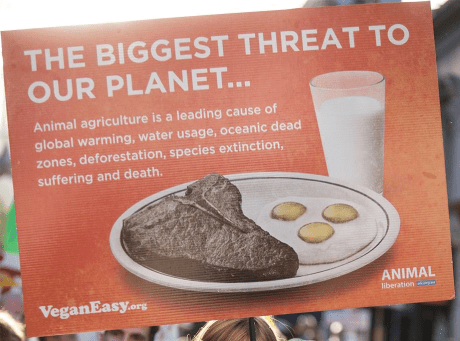
Animal Liberation Victoria from The People’s Climate March – Melbourne, 27th November, 2015

dreamstime_m_51002015

With the Paris climate summit now only days away, it appears that the massive impact of animal agriculture will be largely ignored.

In Australia, the organisers of planned “people’s climate marches” have declared:

“We will march to show that we want an end to fossil fuels and a planned transition to 100% renewable energy.”

None of their promotional material seems to mention animal agriculture.

Is any of that surprising? Tragically not, when official figures consistently understate livestock’s impact through various means, including the fact that the vast extent of relevant land clearing is recorded under a non-livestock heading. The result is that we ignore one of the great contributors to climate change and fail to implement potentially extremely effective mitigation measures.

The failure of environmental agencies to highlight the livestock sector’s impacts reached a new low in September, 2014, when the United States Environmental Protection Agency released a video with the title Climate Change: The Cost of Inaction“.

Not only did the EPA’s video ignore the climate change impacts of livestock production, it flipped the issue on its head, by saying that climate changeaffects our ability to raise cattle“.

The speaker, in earnest fashion, went on to say that such an impact, along with a number of other consequences of climate change, would pose a significant challenge to our nation“.

Here’s the full passage, along with additional comments:

“Climate change makes it more difficult to ensure adequate water supplies, drinking water, growing crops, and hydro power. It destroys our rivers and beaches, and changes the landscape of our country . . . It affects our ability to raise cattle, and catch fish, and increases the risk we face of infectious disease and heat-related deaths.”

“There’s no time to ‘wait’. The consequences of delaying action will only become more severe and more difficult to overcome.”

Here’s the video (duration 3:25, with the comment on cattle at 0:59):

xx

He tells us that it all comes down to individual actions (while failing to mention dietary habits):

“In the same way that all our individual actions caused the climate to change so rapidly, we can all be part of the solution. Working together, we can make a difference as we continue to reduce greenhouse gases and anticipate, prepare and adapt to a change in climate.”

Although individual action is critical, it needs to be supported and encouraged by government policies.

The EPA’s statement reminded me of social commentator, Clive Hamilton, bemoaning attempts by governments and others to direct all blame and responsibility toward individuals. As I’ve mentioned elsewhere, Hamilton has quoted professor of social sciences at Yale-NUC College Singapore, Michael Maniates:

“A privatization and individualization of responsibility for environmental problems shifts blame from state elites and powerful producer groups to more amorphous culprits like ‘human nature’ or ‘all of us’”

Someone else who has fallen short in campaigning on the livestock issue is former US vice president and creator of An inconvenient truth, Al Gore, who seems to have said little since first addressing the matter, in subdued fashion, in 2009.

In an interview at the time, he said that he had “cut back sharply” on the amount of meat he was eating due to its impacts on climate change and water usage. In his book of the same year for young readers, Our Choice: A plan to solve the climate crisis, he said:

“There is a serious issue about the connection between the growing meat intensity of diets around the world and damage to the environment . . .”

Some family background may help to explain Gore’s relative lack of interest since then.

His father, Al Gore, Sr was also a politician, having been elected to Congress in 1938 and then the Senate in 1952. He was also a cattle farmer. Al Gore, Jr has said his father:

“. . . always raised cattle, he always farmed, he always found relaxation, even in Washington, by going to the farm and working with cattle.”

Gore became vegan in 2013, but not for environmental reasons. He subsequently said:

“Over a year ago I changed my diet to a vegan diet, really just to experiment to see what it was like. And I felt better, so I continued with it. Now, for many people, that choice is connected to environmental ethics and health issues and all that stuff, but I just wanted to try it to see what it was like.”

Even Barrack Obama, while still a senator in 2008, acknowledged some of the adverse environmental, social justice and human health impacts of animal agriculture when questioned by Nikki Benoit of Vegan Outreach. However, Obama is a politician, and seemingly sought to hedge his bets and connect with the broader electorate by declaring that he likes a steak “once in a while”.

If climate change is as serious a threat as Obama has indicated (indeed it is), shouldn’t he address animal agriculture’s role, rather than focusing almost exclusively on fossil fuels? (Even those actions were delayed until far too late in his presidency, and did not go far enough.)

Here’s the video:

xxx

If individuals and agencies of authority, along with prominent environmental groups, continue to ignore or effectively deny the impact of animal agriculture, then they must be challenged. The EPA needs to realise that “the cost of inaction” on animal agriculture will be catastrophic, and that we will not overcome the climate crisis by focusing solely on fossil fuels.

Author

Paul Mahony (also on Twitter, Facebook, Scribd, Slideshare, New Matilda, Rabble and Viva la Vegan)

References

US Environmental Protection Agency, Climate Change: The Cost of Inaction”, 19th September, 2014, https://www.youtube.com/watch?v=1o8qlJ8jcx0

Hamilton, C, “Scorcher: The Dirty Politics of Climate Change”, (2007) Black Inc Agenda, p. 110

Zelnick, R., “Gore: A political life” (1999), cited in The New York Times, https://www.nytimes.com/books/first/z/zelnick-gore.html

Henneberger, M., “A boy’s life in and out of the family script”, 22nd May, 2000, The New York Times, https://partners.nytimes.com/library/politics/camp/052200wh-dem-gore.html

d’Estries, M., “Al Gore finally drops meat, goes vegan”, 27th November, 2013, http://www.mnn.com/health/fitness-well-being/blogs/al-gore-finally-drops-meat-goes-vegan

Gore, A., “Our Choice: A plan to solve the climate crisis”, 2009, Puffin Books and Viking Children’s Books, divisions of Penguin Young Readers Group, http://ourchoicethebook.com/, cited in d’Estries, M., ibid.

Interview with Eric Topol, MD, Medscape, 7th March, 2014, http://www.medscape.com/viewarticle/820985#5, cited in d’Estries, M., “Al Gore says he’ll likely stay vegan ‘for life'”, 13th March, 2014, http://www.mnn.com/health/fitness-well-being/blogs/al-gore-says-hell-likely-stay-vegan-for-life

Barack Obama responds to vegan question (Subtitled), https://www.youtube.com/watch?v=Rt56ER4TSqc and https://www.youtube.com/watch?v=ILsCN8KWXJY

Image

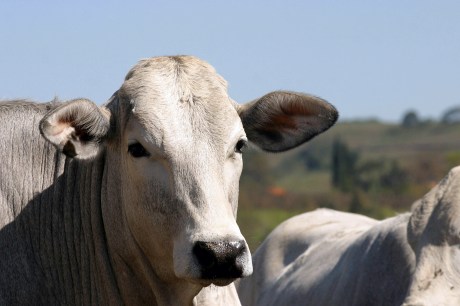
Cattle © Casadphoto | Dreamstime.com

dreamstime_xs_59472242

On the final weekend of November, 2015, marches will occur around the world, with participants demanding urgent and effective action on climate change. The organisers of the Australian marches, like so-called world leaders who will meet at the Paris climate summit, are focusing almost exclusively on the impact of fossil fuels. In doing so, they are overlooking or ignoring another critical contributor to climate change, animal agriculture.

This post is a recap of some of the key issues, along with some new information.

What is the problem?

Producing animal-based foods affects the environment in dramatic ways. Here are some examples of prominent organisations and individuals sounding the alarm over many years:

“[Animal food products] place undue demand on land, water, and other resources required for intensive food production, which makes the typical Western diet not only undesirable from the standpoint of health but also environmentally unsustainable.” The Food and Agriculture Organization of the United Nations (FAO) and World Health Organization (2002)

“[Livestock production] is one of the major causes of the world’s most pressing environmental problems, including global warming, land degradation, air and water pollution, and loss of biodiversity.” The Food and Agriculture Organization of the United Nations (FAO, 2006)

“Impacts from agriculture are expected to increase substantially due to population growth, increasing consumption of animal products. Unlike fossil fuels, it is difficult to look for alternatives: people have to eat. A substantial reduction of impacts would only be possible with a substantial worldwide diet change, away from animal products.”
United Nations Environment Programme (2010)

“Please eat less meat; meat is a very carbon intensive commodity.” Former head of the IPCC, Rajendra Pachauri (2010)

Livestock’s climate change impacts arise from many inter-related factors, such as its inherent inefficiency as a food source; the massive scale of the industry; land clearing far beyond what would otherwise be required to satisfy our nutritional requirements; greenhouse gases such as carbon dioxide, methane and nitrous oxide; and other warming agents such as black carbon.

Livestock’s impacts are understated

The adverse climate change impact of livestock production is understated in most official figures, because relevant data is either omitted, classified under non-livestock headings, or included on the basis of conservative calculations.

Allowing for the relevant factors, the 2014 Land Use, Agriculture and Forestry discussion paper prepared by Australian climate change advocacy group, Beyond Zero Emissions in conjunction with Melbourne Sustainable Society Institute (University of Melbourne), indicated that animal agriculture was responsible for around 50 per cent of Australia’s greenhouse gas emissions. The findings were reinforced in a subsequent peer-reviewed journal article, which had two co-authors in common with the BZE paper.

Some key contributors

Methane (CH4) is produced in the digestive system of ruminant animals, such as cows and sheep. In Australia, measured over a 20-year time horizon, methane from livestock produces more warming than all our coal-fired power stations combined. That’s in a country with amongst the highest per capita emissions in the world due to our heavy reliance on coal.

The 20-year time horizon (including its associated “global warming potential”) is critical in terms of potential climate change tipping points, with potentially catastrophic and irreversible consequences. [See footnote.]

Although methane is a critical problem (including methane from livestock-related savanna burning), so are livestock-related carbon dioxide (CO2) emissions, resulting from the clearing of forest and other vegetation. The carbon locked in cleared vegetation is released as CO2. We are hit twice, as once the vegetation is gone, we no longer have the benefit of its ability to absorb carbon from the atmosphere.

In Australia, nearly a third of our non-arid and semi-arid land has been cleared for livestock production. A large portion of the remainder has been severely degraded by livestock grazing, with significant loss of soil carbon.

According to the World Resources Institute, overgrazing is the largest single cause of land degradation, world-wide. Much of the degradation occurs in the semi-arid areas. Cattle are heavy animals with hard hooves, big appetites, and a digestive system that produces large quantities of manure. Turned loose on fragile, semi-arid environments, they can soon devastate a landscape that has not evolved to cope with them.

Nitrous oxide (N2O) is also emitted in great quantities from animal manure and fertiliser used on animal feedcrops, along with livestock-related savanna burning. It is nearly 300 times as potent as CO2 as a greenhouse gas.

Two warming agents generally omitted from official figures, and prominent in animal agriculture, are tropospheric ozone and black carbon. They remain in the atmosphere for a short period, but have a significant impact.

The impact of chicken, pig and dairy consumption

Chickens and pigs are not ruminant animals belching significant amounts of methane (although methane and nitrous oxide are emitted from their excrement). However, we are sitting on a climate change precipice while continuing to destroy the Amazon rainforest and occupy previously cleared land in order to grow soy beans (and graze cattle).

A significant proportion of those soy beans are fed to billions of chickens and pigs in a grossly inefficient process. Cows in the dairy industry are also major recipients.

Seafood’s impacts

Like chickens and pigs, fish and other sea creatures do not belch methane, and they do not require us to destroy massive areas of rainforest for grazing (although they are fed soy meal in fish farms).

The oceans cover 71 percent of our planet’s surface. They are home to complex ecosystems that are being disturbed by industrial and non-industrial (including recreational) fishing in ways that may profoundly affect our climate system.

A recent paper in Nature Climate Change has helped to highlight some of impact. The problem arises largely from the fact that fishing disturbs food webs, changing the way ecosystems function, and altering the ecological balance of the oceans in dangerous ways. The paper focused on the phenomenon of “trophic downgrading”, the disproportionate loss of species high in the food chain, and its impact on vegetated coastal habitats consisting of seagrass meadows, mangroves and salt marshes.

The loss of predators such as large carnivorous fish, sharks, crabs, lobsters, seals and sea lions, and the corresponding population increase of herbivores and bioturbators (creatures who disturb ocean sediment, including certain crabs) causes loss of carbon from the vegetation and sediment.

Those habitats are estimated to store up to 25 billion tonnes of carbon, making them the most carbon-rich ecosystems in the world. They sequester carbon 40 times faster than tropical rainforests and contribute 50 per cent of the total carbon buried in ocean sediment.

Estimates of the areas affected are unavailable, but if only 1 per cent of vegetated coastal habitats were affected to a depth of 1 metre in a year, around 460 million tonnes of CO2 could be released. That is around the level of emissions from all motor vehicles in Britain, France and Spain combined, or a little under Australia’s current annual emissions.

Loss of ongoing carbon sequestration is the other problem. If sequestration capability was reduced by 20 per cent in only 10 per cent of vegetated coastal habitats, it would equate to a loss of forested area the size of Belgium.

These impacts only relate to vegetated coastal habitats, and do not allow for loss of predators on kelp forests, coral reefs or open oceans, or the direct impact on habitat of destructive fishing techniques such as trawling.

Will we grasp a golden opportunity?

A 2009 study by the PBL Netherlands Environmental Assessment Agency estimated that a global transition to a completely animal free diet would reduce climate change mitigation costs by around 80 per cent. A meat-free diet would reduce them by 70 per cent.

Will we grasp the opportunity that those figures represent, or continue to effectively ignore the issue?

The failure of prominent environmental groups

Prominent organisations, such as Australian Youth Climate Coalition (AYCC), Australian Conservation Foundation (ACF), the Greens political party in Australia, and 350.org, have failed to campaign meaningfully, if at all, on the livestock issue.

ACF advocates consumption of “grass fed as opposed to grain fed meat”, seemingly unaware that the emissions intensity of grass-fed is far higher than that of the grain-fed alternative (with both being on a different paradigm to plant-based foods). Bill McKibben of 350.org has made similar claims, with neither citing evidence for their position to my knowledge. Despite what they may wish to believe, the natural way is not always best in every respect.

AYCC describes itself as “a real force to be reckoned with”, but has failed miserably on this topic.

Hopefully, those groups and others will add the livestock issue to their campaigning efforts, helping to inform their supporters and significantly enhancing their effectiveness.

Social Justice

Environmental groups in Australia are using the catch-cry “Climate justice, climate peace” in the weeks before the Paris climate summit. It may have merit, but to the extent campaigners consume animal-based foods, they ignore the injustice of livestock production.

For example, researchers from the University of Minnesota have estimated that we would have the capacity to feed another 4 billion people with a general transition to a plant-based diet. That would enable us to resolve the current crisis that exists in the form of nearly 800 million people who are chronically under-nourished.

Of course, with livestock’s massive climate change impacts, ignoring the issue flies directly in the face of the message of climate justice and peace intended to be conveyed by the campaigners.

Personal choice?

Many people argue that food consumption is a matter of personal choice, and that their choices should not be challenged by others. However, we can no longer regard food choices as strictly personal when their impacts have far-reaching, adverse consequences.

Governments could assist with information campaigns, and by creating pricing mechanisms that ensure the environmental cost of consumption is allowed for in the price paid by the end-user, thereby reducing demand for high emissions intensity products, along with the resultant supply.

Conclusion

The road to Paris may have been difficult so far, but the way forward, with potential tipping points and runaway climate change, could be very ugly indeed. It is time to wake up, face the ultimate inconvenient truth, and take all necessary steps in an effort to avoid catastrophe.

Author

Paul Mahony (also on Twitter, Facebook, Scribd, Slideshare, New Matilda, Rabble and Viva la Vegan)

Footnote

For more on the “global warming potential” of different greenhouse gases, see GWP explained.

Even in the absence of clear tipping points, climate feedback mechanisms create accelerating, non-linear changes, which are potentially irreversible.

References

Food and Agriculture Organization of the United Nations and World Health Organization, “Human Vitamin and Mineral Requirements: Report of a joint FAO/WHO expert consultation Bangkok, Thailand”, 2001, pp. 14, ftp://ftp.fao.org/docrep/fao/004/y2809e/y2809e00.pdf and http://www.fao.org/docrep/004/Y2809E/y2809e08.htm

The Food and Agriculture Organization of the United Nations, “Livestock impacts on the environment”, Spotlight 2006, November 2006

UNEP (2010) Assessing the Environmental Impacts of Consumption and Production: Priority Products and Materials, A Report of the Working Group on the Environmental Impacts of Products and Materials to the International Panel for Sustainable Resource Management. Hertwich, E., van der Voet, E., Suh, S., Tukker, A., Huijbregts M., Kazmierczyk, P., Lenzen, M., McNeely, J., Moriguchi, Y.

Agence France-Presse, “Lifestyle changes can curb climate change: IPCC chief”, 15 January, 2010, http://afp.google.com/article/ALeqM5iIVBkZpOUA9Hz3Xc2u-61mDlrw0Q

Beyond Zero Emissions and Melbourne Sustainable Society Institute of The University of Melbourne, “Zero Carbon Australia – Land Use: Agriculture and Forestry – Discussion Paper”, October, 2014, http://bze.org.au/landuse

Wedderburn-Bisshop, G., Longmire, A., Rickards, L., “Neglected Transformational Responses: Implications of Excluding Short Lived Emissions and Near Term Projections in Greenhouse Gas Accounting”, International Journal of Climate Change: Impacts and Responses, Volume 7, Issue 3, September 2015, pp.11-27. Article: Print (Spiral Bound). Published Online: August 17, 2015, http://ijc.cgpublisher.com/product/pub.185/prod.269

Mahony, P., “The Electric Cow”, Terrastendo, 27th May, 2014, https://terrastendo.net/2014/05/27/the-electric-cow/

Russell, G., “Bulbs, bags, and Kelly’s bush: defining ‘green’ in Australia”, 19 Mar 2010 (p. 10) (http://hec-forum.anu.edu.au/archive/presentations_archive/2010/geoffrussell-hec-talk.pdf), which utilised: Dept. of Sustainability, Environment, Water, Population and Communities, State of the Environment Report 2006, Indicator: LD-01 The proportion and area of native vegetation and changes over time, March 2009; and ABS, 4613.0 “Australia’s Environment: Issues and Trends”, Jan 2010; and ABS 1301.0 Australian Year Book 2008, since updated for 2009-10, 16.13 Area of crops

Australian Bureau of Statistics, “Themes – Environment, Land and Soil, Agriculture”, citing World Resources Institute, World Resources, 1998-99: A Guide to the Global Environment, Washington, DC, 1998, p. 157, cited in “The Ethics of What We Eat” (2006), Singer, P & Mason, J, Text Publishing Company, p. 216

Mahony, P., “Chickens, pigs and the Amazon tipping point”, Terrastendo, 5th October, 2015, https://terrastendo.net/2015/10/05/chickens-pigs-and-the-amazon-tipping-point/

National Oceanic and Atmospheric Administration, “Ocean” (undated), http://www.noaa.gov/ocean.html

Atwood, T.B., Connolly, R.M., Ritchie, E.G., Lovelock, C.E., Heithaus, M.R., Hays, G.C., Fourqurean, J.W., Macreadie, P.I., “Predators help protect carbon stocks in blue carbon ecosystems”, published online 28 September 2015, http://www.nature.com/nclimate/journal/vaop/ncurrent/full/nclimate2763.html

Macreadie, P., Ritchie, E., Hays, G., Connolly, R., Atwood, T.B., “Ocean predators can help reset our planet’s thermostat”, The Conversation, 29th September, 2015, https://theconversation.com/ocean-predators-can-help-reset-our-planets-thermostat-47937

Stehfest, E, Bouwman, L, van Vuuren, DP, den Elzen, MGJ, Eickhout, B and Kabat, P, “Climate benefits of changing diet” Climatic Change, Volume 95, Numbers 1-2 (2009), 83-102, DOI: 10.1007/s10584-008-9534-6 (Also http://www.springerlink.com/content/053gx71816jq2648/)

Australian Conservation Foundation, “Meat Free Week: eat less, care more, feel good”, 17th March, 2014, http://www.acfonline.org.au/news-media/news-features/meat-free-week-eat-less-care-more-feel-good

Mahony, P., “The real elephant in AYCC’s climate change room”, Terrastendo, 5th September, 2013, https://terrastendo.net/2013/09/05/the-real-elephant-in-ayccs-climate-change-room/

Mahony, P. “Do the math: There are too many cows!”, Terrastendo, 26th July, 2013, https://terrastendo.net/2013/07/26/do-the-math-there-are-too-many-cows/

Harper, L.A., Denmead, O.T., Freney, J.R., and Byers, F.M., Journal of Animal Science, June, 1999, “Direct measurements of methane emissions from grazing and feedlot cattle”, J ANIM SCI, 1999, 77:1392-1401, http://www.ncbi.nlm.nih.gov/pubmed/10375217; http://www.journalofanimalscience.org/content/77/6/1392.full.pdf

Eshel, G., “Grass-fed beef packs a punch to environment”, Reuters Environment Forum, 8 Apr 2010, http://blogs.reuters.com/environment/2010/04/08/grass-fed-beef-packs-a-punch-to-environment/

Food and Agriculture Organization of the United Nations, “The State of Food Insecurity in the World 2014”, http://www.fao.org/publications/sofi/2014/en/

Image

Paris Climate Change Conference 2015 Photo © Delstudio | Dreamstime.com

8193235628_68d55306c1_b

I recently outlined some questions I had submitted to the organisers of a climate change forum held in Melbourne, Australia, relating to the “Striking Targets” paper prepared by climate change author, Philip Sutton. [1] [2] The purpose of Philip’s paper, which focuses on the fossil fuel sector, is to outline an approach for matching climate goals with climate reality. The forum was arranged by “Breakthrough: National Centre for Climate Restoration“. My questions and comments related to the impact of animal agriculture, and the fact that Philip had appeared to ignore the issue in his paper and elsewhere.

The forum itself provided little opportunity to discuss the issues I had raised. However, there was a brief discussion on my question, asking if Philip and the panel members were aware of the extent of livestock-related land clearing in Australia. The moderator asked the question on my behalf, and I did not have the opportunity to outline the extent of such clearing, which I had referred to in the online question.

In my view, the panelists’ responses did not directly address the question. However, one correctly pointed out that, when a 20-year “global warming potential” (GWP) is utilised (as opposed to the more common 100-year approach), the Australian livestock sector is responsible for more emissions than our stationary energy sector. That’s in a country with one of the highest per capita emissions globally, largely due to our heavy reliance on coal-fired power.

The 20-year approach is perfectly valid. The IPCC has said, “There is no scientific argument for selecting 100 years compared with other choices. The choice of time horizon is a value judgement because it depends on the relative weight assigned to effects at different times.” [3]

Quite apart from land clearing in Australia and elsewhere for cattle and sheep grazing, soy bean production for feed crops in the Amazon basin has the potential to trigger a key climate change tipping point. [Footnote 1] [4] The 60 billion chickens and 1.4 billion pigs raised and slaughtered per year are major recipients. [5] Around 90 per cent of the soy consumed in Australia is imported, mainly for intensive livestock feed. [6] As part of the global soy bean trade, it is a factor in the amount of soy produced in the Amazon. Soy bean production and other destructive agricultural activities could cease in that region if the world transitioned away from animals as a food source.

In my brief opportunity to comment at the forum, I mentioned some “emissions intensity” figures. Here they are, along with some others that I did not mention on the night [Footnote 2] [7] [8] [9] [10] [11]:

  • Cement: 1 kg
  • Aluminium: 15.6 kg
  • Beef (grass-fed, global average): 209 kg (with 20-year GWP) or 102 kg (with 100-year GWP)
  • Beef (grass-fed and grain-fed combined global average): 138 (with 20-year GWP) or 68 (with 100-year GWP)
  • Beef (grass-fed and grain-fed combined average for Oceania): 74 kg (with 20-year GWP) or 36 kg (with 100-year GWP)
  • Soy beans: 2 kg
  • Legumes: 3.5 kg

Figure 1: Emissions intensity (kg CO2-e per kg of product – GWP20)

Emissions-intensity-Strikingtargets-2

Some points to note:

  • Cement’s figure has been rounded up from a weighted global average of 0.83 kg.
  • Beef’s emissions intensity is generally on a different paradigm to that of plant-based options.
  • At peak production, aluminium was consuming 16 per cent of Australia’s electricity, while representing less than 1 per cent of our gross domestic product. [12]
  • Its emissions intensity is dwarfed by that of beef, and we produce more beef by weight than aluminium.
  • Oceania’s beef production is dominated by Australia.
  • Soy beans contain 47 per cent more protein than beef per kilogram. [13]

The livestock sector’s impact in the context of “Striking Targets”

Meaningful action on animal agriculture would seem to be consistent with many aspects of Philip’s “Striking Targets” paper. Here are some that seem particularly relevant in that context:

  1. It is our interests and ethics that motivate us. Climate policy should be driven by self-interest and our moral concern for others, especially the most vulnerable majority of the world’s people and species.
  2. Our goals need to ensure a climate regulated by natural processes rather than regular human intervention.
  3. We need to transform lifestyles in order to achieve zero emissions.
  4. We must be willing to pragmatically adopt measures that can deliver results no matter how unconventional. (Please note that the number of people avoiding animal products is growing rapidly, so such an approach may soon seem more conventional than at present.)
  5. Draw down excess CO2.
  6. Protect and maintain ecological systems. (If it’s valid to seek to protect those systems from climate change, then it’s valid to protect them from direct impacts such as livestock-related land clearing and industrial and non-industrial fishing techniques.)
  7. Implement policy at emergency speed. (An emergency is an emergency, and half-measures arising from social, cultural and commercial conditioning over food consumption will not take us where we need to be.)
  8. Ensure a safe transition to protect people, food production, other species and ecosystem services.
  9. One of Philip’s “crucial action demands” is to “ban all new climate destructive investments” and to “switch to positive/neutral investments”.
  10. Another is to legislate to create a legally binding schedule of closure/conversion for all current additive sources of greenhouse gas emissions and other climate destructive actions“. (I am not necessarily suggesting this approach in relation to food production systems, as there may be other ways to achieve the necessary dietary transformation. I feel this demand and the one prior reflect Philip’s focus on fossil fuels.)
  11. We need to “fully correct” humanity’s climate change mistake, “rather than just curtailing its magnitude”.

Conclusion

Philip and some panel members may regard me and others who promote the livestock issue in the same way that many governments and major corporations may regard them; as a nuisance. Over a period of several years, I have approached the Greens, Australian Youth Climate Coalition and others about this issue, so I am accustomed to that type of response. [14] [15] However, I am sure most of them would agree that, in relation to climate change generally, it is difficult to argue with the science. They simply need to extend that view to the livestock aspect.

Because Philip stresses the need for emergency action and seems averse to half-measures, his arguments should apply as much to the hugely emissions-intensive and destructive livestock sector, as they do to fossil fuels.

Author

Paul Mahony

Footnotes

  1. Even in the absence of clear tipping points, climate feedback mechanisms create accelerating, non-linear changes, which are potentially irreversible.
  2. Emissions intensity is a measure of units (by weight) of greenhouse gas emissions per corresponding unit of end product. The emissions intensity figures for livestock shown here have been sourced directly from the Food and Agriculture Organization of the United Nations or (in respect of the 20-year GWP) adjusted from the FAO’s 100-year figure. Apart from the combined global average figure, the 20-year figures are approximations, with the figure for grass-fed beef likely to be under-stated.

References

[1] Mahony, P., “Questions for Breakthrough climate forum”, Terrastendo, 1st November, 2015, https://terrastendo.net/2015/11/01/questions-for-breakthrough-climate-summit/

[2] Sutton, P., “Striking Targets: Matching climate goals with climate reality”, Breakthrough – National Centre for Climate Restoration, August, 2015, http://media.wix.com/ugd/148cb0_2cec8c5928864748809e26a2b028d08c.pdf

[3] Myhre, G., D. Shindell, F.-M. Bréon, W. Collins, J. Fuglestvedt, J. Huang, D. Koch, J.-F. Lamarque, D. Lee, B. Mendoza, T. Nakajima, A. Robock, G. Stephens, T. Takemura and H. Zhang, 2013: “Anthropogenic and Natural Radiative Forcing. In: Climate Change 2013: The Physical Science Basis. Contribution of Working Group 1 to the Fifth Assessment Report of the Intergovernmental Panel on Climate Change” , pp. 711-712 [Stocker, T.F., D. Qin, G.-K. Plattner, M. Tignor, S.K. Allen, J. Boschung, A. Nauels, Y. Xia, V. Bex and P.M. Midgley (eds.)]. Cambridge University Press, Cambridge, United Kingdom and New York, NY, USA, http://www.ipcc.ch/report/ar5/wg1/

[4] Mahony, P., “Chickens, pigs and the Amazon tipping point”, Terrastendo, 5th October, 2015, https://terrastendo.net/2015/10/05/chickens-pigs-and-the-amazon-tipping-point/

[5] FAOSTAT, Livestock Primary, Slaughter numbers, http://faostat3.fao.org

[6] Spragg, J., “Feed Grain Supply & Demand Report 2013-14: A report for the Feed Grain Partnership”, July 2014, https://www.aecl.org/assets/www.aecl.org/outputs/140730-FGP-Supply-and-Demand-Report-July-2014.pdf

[7] International Energy Agency, “Tracking Industrial Energy Efficiency and CO2 Emissions“, 2007, p. 25, https://www.iea.org/publications/freepublications/publication/tracking-industrial-energy-efficiency-and-co2-emissions.html, http://www.iea.org/Textbase/npsum/tracking2007SUM.pdf

[8] Australian Aluminium Council Ltd, “Climate Change: Aluminium Smelting Greenhouse Performance”, http://aluminium.org.au/climate-change/smelting-greenhouse-performance (Accessed 14th April, 2014)

[9] Food and Agriculture Organization of the United Nations, “Tackling climate change through livestock: A global assessment of  emissions and mitigation opportunities”, Table 5, p. 24, Nov 2013, http://www.fao.org/ag/againfo/resources/en/publications/tackling_climate_change/index.htm; http://www.fao.org/docrep/018/i3437e/i3437e.pdf

[10] Food and Agriculture Organization of the United Nations, “Greenhouse gas emissions from ruminant supply chains: A global life cycle assessment”, Figure 12, p. 30, Nov 2013, http://www.fao.org/ag/againfo/resources/en/publications/tackling_climate_change/index.htm; http://www.fao.org/docrep/018/i3461e/i3461e.pdf

[11] Scarborough, P., Appleby, P.N., Mizdrak, A., Briggs, A.D.M., Travis, R.C., Bradbury, K.E., & Key, T.J., “Dietary greenhouse gas emissions of meat-eaters, fish-eaters, vegetarians and vegans in the UK”, Climatic Change, DOI 10.1007/s10584-014-1169-1, http://link.springer.com/article/10.1007%2Fs10584-014-1169-1

[12] Hamilton, C, “Scorcher: The Dirty Politics of Climate Change”, (2007) Black Inc Agenda, p. 40

[13] USDA National Nutrient Database for Standard Reference at http://ndb.nal.usda.gov/ via Nutrition Data at http://www.nutritiondata.com

[14] Mahony, P., “Some Critical Omissions from Climate Change Discussions”, Terrastendo, 28th December, 2012, https://terrastendo.net/2012/12/28/some-critical-omissions-from-climate-change-discussions/

[15] Mahony, P., “The real elephant in AYCC’s climate change room”, Terrastendo, 5th September, 2013, https://terrastendo.net/2013/09/05/the-real-elephant-in-ayccs-climate-change-room/

Image

Storm front and lightning approach the Sunshine Coast near Caloundra, Queensland | Lucas_James (Flickr)| CC-Attribution-NonCommercial-ShareAlike

8196842309_bc0701c2ec_b

In a recent article, I referred to questions I had raised over the past couple of years at public forums arranged by Australian climate action group, “Breakthrough: National Centre for Climate Restoration“. [1] The group “has been established to engage with a range of groups and activists to create the groundswell needed to build a new momentum for urgent climate restoration”.

I have cited the work of some of the group’s contributors many times in articles dealing with the need for emergency action in relation to the climate crisis. However, although two of the contributors wrote about animal agriculture’s impacts several years ago through the former Zero Emission Network, that aspect of the problem seems to be omitted from Breakthrough’s material.

A booklet prepared by another contributor, Philip Sutton, will be the subject of a panel discussion this week in Melbourne. In promoting the forum, the organisers have stated:

“Advocacy for the restoration of a safe climate calls for solutions that the world does not currently possess. The central question remains ‘is safe climate restoration possible and, if not, what level of action is now morally defensible and yet practically achievable?’ Join Breakthrough for this special panel discussion to examine and critique the recently published paper StrikingTargets [2] with author Philip Sutton.”

In addition to seeking “solutions that the world does not currently possess”, why not utilise those that we do? Why ignore action in relation to animal agriculture?

The panel for the forum comprises (using Breakthrough’s descriptions): Ben Courtice, Friends of the Earth Climate Campaigner; Andrea Bunting, Climate Activist, Researcher & Writer; Mark Wakeham, CEO Environment Victoria; David Spratt, Climate Policy Analyst; Adrian Whitehead, Save The Planet Campaign Manager.

Ben Courtice once commented on one of my articles, stating that I was incorrect in claiming that the forthcoming (at that time) Land Use plan of Beyond Zero Emissions and Melbourne Sustainable Society Institute (University of Melbourne) would indicate that animal agriculture was responsible for around 50 percent of Australia’s greenhouse gas emissions after allowing for various factors, such as shorter-lived gases and a 20-year “global warming potential“. [3] [4] I assured him my information was correct, but there was no further comment. It has since been confirmed with the release of the plan and a related peer-reviewed journal article. [5]

I had also communicated with Environment Victoria at different times (commencing in April, 2011), asking why they had not commented on the impact of animal agriculture. Following my third request, they said they believed their resources would have most impact if they focused on the energy sector. That seems to be a common response from groups who ignore the livestock issue. I fail to see why they could not publish some comments, even if they were not willing to give it a high profile. Environment Victoria has since campaigned against cattle grazing in the highlands due to issues such as river protection, but not in relation to climate change.

Although not on the panel for the forthcoming discussion, Federal Greens member of parliament, Adam Bandt, is a Breakthrough contributor. I wrote to him about the livestock issue in 2011, but he did not respond. Also that year, I raised the issue with him at a community forum in the inner Melbourne suburb of Fitzroy. I referred to the fact that the Greens were intending to support the Labor Party in exempting agriculture from the carbon tax. Adam’s only comments were that it was difficult to measure methane emissions, and that some of the carbon tax revenue would be used in research. In my view, the first comment was not valid, and the second questionable. After a further attempt, I eventually received a response from a member of Adam’s office team, but there was no indication of meaningful action.

I had originally raised the issue with the Greens in 2008, and received very disappointing responses from Bob Brown’s office and Christine Milne at that time.

Despite these concerns, I was pleased to see that the organisers of the forthcoming discussion were inviting questions prior to the event. I’m including the questions that I have submitted here (with references added), as a means of highlighting what I consider to be some of the key concerns. Those concerns include the fact that an approach which ignores animal agriculture seems contrary to Breakthrough’s approach on other aspects of the climate crisis. I have referred to many of the issues in previous articles.

Quite apart from the issue of climate change, the “moral concern for others” expressed in “Striking Targets”, “especially for the most vulnerable majority of the world’s people and species” would seem consistent with a transition away from animal agriculture, which currently involves the forced breeding and slaughter of around 70 billion land animals per year, plus the death of trillions of sea creatures. The ratio of livestock to wildlife is now around 8 to 1, when only 10,000 years ago, all animals were wild.

Question 1

In “Climate Code Red: the case for emergency action” (2008) [6], Philip Sutton and David Spratt (as indicated by the sub-title) stressed the need for emergency action. They said (p. 145, with my capitals here):

“If left unchecked, the dynamics and inertia of our SOCIAL and economic systems will sweep us on to ever more dangerous change and then, most likely within a decade, to an era of catastrophic climate change.”

They quoted Winston Churchill from 1936:

“The era of procrastination, of half-measures, of soothing and baffling expedients of delays, is coming to a close. It its place we are entering a period of consequences.”

In “Striking Targets”, Philip’s measures to restore a safe climate include drawing down atmospheric CO2 and returning concentrations to pre-industrial levels

However, he does not talk about the critical role of animal agriculture.

Its impact arises from many inter-related factors, such as its inherent inefficiency as a food source; the massive scale of the industry; land clearing far beyond what would otherwise be required to satisfy our nutritional requirements; greenhouse gases such as carbon dioxide, methane and nitrous oxide; and other warming agents such as black carbon.

I raised the issue with Philip in a question at the Breakthrough Summit in June, 2014 and again at his “Post-Paris” presentation last month. Why is he not giving the issue the attention it requires?

James Hansen has said we will not reduce CO2 concentrations to 350 ppm (still well above pre-industrial levels) without massive reforestation and addressing the issue of soil carbon loss. [7] He has not stated it to my knowledge, but we will not enable forest and other wooded vegetation to regenerate to the required levels without a general move away from animal-based food products.

At the “Post-Paris” presentation, Philip said that reforestation might cause us to encroach on areas currently used for food production. However, a move away from animal agriculture would require far less land than at present. The issue was highlighted in a 2009 report from the PBL Netherlands Environmental Assessment Agency in which the authors stated [8]:

“. . . a global food transition to less meat, or even a complete switch to plant-based protein food [was found] to have a dramatic effect on land use. Up to 2,700 Mha of pasture and 100 Mha of cropland could be abandoned, resulting in a large carbon uptake from regrowing vegetation. Additionally, methane and nitrous oxide emissions would be reduced substantially.”

They said a plant-based diet would reduce climate change mitigation costs by 80%. A meat-free diet would reduce them by 70%. Their assessment was based on a target CO2 concentration of 450 ppm. The issue is even more critical when aiming for lower levels.

Similarly, in a 2013 paper, researchers from the Institute on the Environment at the University of Minnesota stated [9]:

“The world’s croplands could feed 4 billion more people than they do now just by shifting from producing animal feed and biofuels to producing exclusively food for human consumption”.

The lead author, Emily Cassidy, has said:

“We essentially have uncovered an astoundingly abundant supply of food for a hungry world, hidden in plain sight in the farmlands we already cultivate. Depending on the extent to which farmers and consumers are willing to change current practices, existing croplands could feed millions or even billions more people.”

I respect much of the work of Philip and David. However, when witnessing people with that level of concern for the planet failing to meaningfully address the livestock issue, I feel a sense of frustration and despair.

We need to inform the general population of the true extent of the crisis, and the emergency measures required. Governments need to ensure that the environmental costs of animal agriculture are factored into the consumer price, thereby reducing demand and production, and causing consumers to seek low-emissions alternatives.

If interested, you can see more at my page Climate Change and Animal Agriculture. [Postscript: It includes many articles on the subject, including my recent article, Chickens, pigs and the Amazon tipping point.]

Question 2

Expanding on my earlier question, have Philip and the panel considered the amount of land clearing in Australia for animal agriculture?

Supplementary material from a Feb 2015 journal paper commissioned by Meat & Livestock Australia conservatively interpreted figures from the Queensland government’s Statewide Landcover and Trees Study (SLATS) to estimate that from 1981 to 2010, over 8 million hectares (80,000 sq km) were cleared in that state for beef production. [10]

The extent of such clearing is equivalent to a 10 kilometre (6 mile) wide tract of land extending 3.3 times between Melbourne and Cairns. That’s similar to a 10 km wide tract of land winding around the US east coast 3.3 times from Boston to Miami. [Image and US comparison added for this article.]

Figure 1: Depiction of Queensland land area cleared for beef production 1981-2010

Aust-map

Clearing reduced but did not cease after a so-called ban was introduced at the end of 2006. The “ban” was lifted in 2013, and it is estimated that the extent of clearing tripled between 2009/10 and 2013/14.

Around 40% of the clearing was of re-growth, which highlights the fact that forest and other wooded vegetation will often regenerate if given the opportunity.

That’s just one example of livestock-related land clearing. In total, it represents around 70% of clearing in this country since European settlement. [11]

A report by the World Wildlife Fund has identified eastern Australia as one of eleven global “deforestation fronts” for the twenty years to 2030, due to livestock production. [12]

Question 3

Also, have Philip and the panel considered the impact of animal agriculture on the Great Barrier Reef?

We hear much about the impact of warming and increased acidity of the ocean, along with dredging, but very little about the 4.5 million head of cattle in the reef’s catchment area. [13] The Queensland Government’s 2013 Scientific Consensus Statement confirmed that grazing areas in the catchment were responsible for the following pollutant loads to the Great Barrier Reef lagoon: (a) 75 percent of suspended solids (sediment); (b) 54 percent of phosphorus; and (c) 40 percent of nitrogen. [14]

The release of nitrogen and phosphorus, and the associated nutrient enrichment, contributes significantly to outbreaks of Crown of Thorns starfish, which have had a massive impact on the reef.

Even without climate change, the reef’s demise would probably be assured due to cattle grazing.

Conclusion

We are running out of time to influence the Earth’s climate system in a positive manner. There may be some hope if we focus on animal agriculture in addition to other issues, such as fossil fuels. If we do not, then climate change campaigners may be well-advised to simply lie on the beach and relax, rather than worrying about its eventual inundation by sea water, as there is little point being concerned over inevitable events.

Author

Paul Mahony (also on Twitter, Facebook, Scribd, Slideshare, New Matilda, Rabble and Viva la Vegan)

References

[1] Mahony, P., “Activist, not Automaton”, Viva la Vegan, 14th October, 2015, http://www.vivalavegan.net/community/articles/1108-activist-not-automaton.html

[2] Sutton, P., “Striking Targets: Matching climate goals with climate reality”, Breakthrough – National Centre for Climate Restoration, August, 2015, http://media.wix.com/ugd/148cb0_2cec8c5928864748809e26a2b028d08c.pdf

[3] Mahony, P., Omissions of Emissions: A Critical Climate Change Issue, Terrastendo, 9th February, 2013, https://terrastendo.net/2013/02/09/omissions-of-emissions-a-critical-climate-change-issue/

[4] Beyond Zero Emissions and Melbourne Sustainable Society Institute of The University of Melbourne, “Zero Carbon Australia – Land Use: Agriculture and Forestry – Discussion Paper”, October, 2014, http://bze.org.au/landuse

[5] Wedderburn-Bisshop, G., Longmire, A., Rickards, L., “Neglected Transformational Responses: Implications of Excluding Short Lived Emissions and Near Term Projections in Greenhouse Gas Accounting”, International Journal of Climate Change: Impacts and Responses, Volume 7, Issue 3, September 2015, pp.11-27. Article: Print (Spiral Bound). Published Online: August 17, 2015, http://ijc.cgpublisher.com/product/pub.185/prod.269

[6] Spratt, D and Sutton, P, “Climate Code Red: The case for emergency action”, Scribe, 2008, pp. 141 and 145

[7] Hansen, J; Sato, M; Kharecha, P; Beerling, D; Berner, R; Masson-Delmotte, V; Pagani, M; Raymo, M; Royer, D.L.; and Zachos, J.C. “Target Atmospheric CO2: Where Should Humanity Aim?”, 2008. http://www.columbia.edu/~jeh1/2008/TargetCO2_20080407.pdf

[8] Stehfest, E, Bouwman, L, van Vuuren, DP, den Elzen, MGJ, Eickhout, B and Kabat, P, Climate benefits of changing diet Climatic Change, Volume 95, Numbers 1-2 (2009), 83-102, DOI: 10.1007/s10584-008-9534-6 (Also http://www.springerlink.com/content/053gx71816jq2648/)

[9] Cassidy, E.S., et al 2013 Environ. Res. Lett. 8 034015 doi:10.1088/1748-9326/8/3/034015, cited in University of Minnesota News Release, 1 Aug 2013, “Existing Cropland Could Feed 4 Billion More”, http://www1.umn.edu/news/news-releases/2013/UR_CONTENT_451697.html

[10] Wiedemann, S.G, Henry, B.K., McGahan, E.J., Grant, T., Murphy, C.M., Niethe, G., “Resource use and greenhouse gas intensity of Australian beef production: 1981–2010″, Agricultural Systems, Volume 133, February 2015, Pages 109–118, http://www.sciencedirect.com/science/article/pii/S0308521X14001565 and http://ac.els-cdn.com/S0308521X14001565/1-s2.0-S0308521X14001565-main.pdf?_tid=e4c5d55e-fc16-11e4-97e1-00000aacb362&acdnat=1431813778_b7516f07332614cd8592935ec43d16fd, cited in Mahony, P. “Emissions intensity of Australian beef”, Terrastendo, 30th June, 2015, https://terrastendo.net/2015/06/30/emissions-intensity-of-australian-beef/

[11] Clearing percentage derived from Russell, G. “The global food system and climate change – Part 1”, 9 Oct 2008, http://bravenewclimate.com/2008/10/09/the-global-food-system-and-climate-change-part-i/, which utilised: Dept. of Sustainability, Environment, Water, Population and Communities, State of the Environment Report 2006, Indicator: LD-01 The proportion and area of native vegetation and changes over time, March 2009; and ABS, 4613.0 “Australia’s Environment: Issues and Trends”, Jan 2010; and ABS 1301.0 Australian Year Book 2008, since updated for 2009-10, 16.13 Area of crops.

[12] World Wildlife Fund, “WWF Living Forests Report”, Chapter 5 and Chapter 5 Executive Summary, http://d2ouvy59p0dg6k.cloudfront.net/downloads/lfr_chapter_5_executive_summary_final.pdf; http://d2ouvy59p0dg6k.cloudfront.net/downloads/living_forests_report_chapter_5_1.pdf

[13] Brodie, J., Christie, C., Devlin, M., Haynes, D., Morris, S., Ramsay, M., Waterhouse, J. and Yorkston, H., “Catchment management and the Great Barrier Reef”, pp. 203 & 205, Water Science and Technology Vol 43 No 9 pp 203–211 © IWA Publishing 200, http://www-public.jcu.edu.au/public/groups/everyone/documents/journal_article/jcudev_015629.pdf

[14] Kroon, F., Turner, R., Smith, R., Warne, M., Hunter, H., Bartley, R., Wilkinson, S., Lewis, S., Waters, D., Caroll, C., 2013 “Scientific Consensus Statement: Sources of sediment, nutrients, pesticides and other pollutants in the Great Barrier Reef Catchment”, Ch. 4, p. 12, The State of Queensland, Reef Water Quality Protection Plan Secretariat, July, 2013, http://www.reefplan.qld.gov.au/about/scientific-consensus-statement/sources-of-pollutants.aspx

Images

Lightning over Ipswich during the storms which struck Queensland and New South Wales on 17 November 2012 |adrenalinmatt (Flickr)| CC-Attribution-NonCommercial-ShareAlike

Map from http://www.streetdirectory.com.au (used with permission and adapted by author)

Updates

Reference to “summit” changed to “forum”, and comments added in relation to: Bob Brown and Christine Milne; solutions that we currently possess; the number of animals slaughtered; and Boston and Miami.


dreamstime_xs_21570293

Here’s a selection of my letters published in newspapers since early 2008, listed under the headings:

  • animal rights;
  • climate change in general;
  • environmental (incl. climate change) impacts of animal agriculture; and
  • politics.

I hope they provide a reasonable perspective of some of the key issues we face.

Animal Rights

460-Sammy-Green-Pastures-Sanctuary-Waroona-WA-306

“Mulesing”, The Age, 10th March, 2008

The wool industry’s cruel practice of cutting skin from the backsides of sheep without pain relief (8/3) has come back to bite it in the bum.

“Only skin deep”, The Sunday Age, 16th March, 2008

The green marketing push by the Fur Council of Canada and other (“Industry Pushes ‘Green’ Fur Coats”, 9/3) is just another example of mankind’s appalling lack of ethics when it comes to the treatment of animals.  It seems that if the trade can make a dollar, allegedly without damaging the environment, then no amount of physical or psychological pain experienced by our animal friends matters.

Even if you were to accept the council’s dubious claims of humane practices, then you should also consider where else your fur might come from.  You’d owe it to yourself to see what happens (for example) on Chinese fur farms. The information’s not hard to find through reputable sources on the internet, but be warned: an animal being skinned alive is not a pretty sight.

“Nothing humane about pig farming”, The Age, 10th August, 2008

It’s great to see that the campaign by Animals Australia in favour of pigs is having an impact.

Consider how these intelligent and caring animals are treated.  Most pigs are kept indoors for their entire life, often in horrifically confined spaces.  Whilst still piglets, they are routinely castrated, have their teeth and ears clipped and their tails docked, all without pain relief.

And don’t assume that there’s anything humane about the slaughter process for the young pigs that are sent to the abattoir.

Most production animals have little or no protection under Australia’s “prevention of cruelty” legislation, due to exemptions contained in the various state and territory acts.  It’s important that people know of our production animals’ plight, so that they can make informed purchasing decisions.

“If you dare”, The Sunday Age, 8th February, 2009

The “bacon explosion” is a grotesque indulgence at the expense of animals.  However, the  animals might have the last laugh, as consumers face another significant health risk in addition to heart failure.

The World Cancer Research Fund has recommended against consuming processed meat  (including bacon and sausage meat) because of the cancer risk.  Indulge if you dare.

“Get meat off the menu”, The Sunday Age, 15th March, 2009

How sad to see pigs and other animals continuing to be treated as commodities (“Offal on again as diners rediscover blood & guts”, 8/3), with a chef gleefully hoeing into a pig’s ear whilst a pig’s head sits on the plate in front of him.

We’ve been conditioned over the years to believe that we need to eat meat, when a simple ethical approach demands otherwise.

Despite what we’re told by commercial interests (the full-page ad for red meat in the same paper was a good example), it’s easy to follow an incredibly varied, delicious and healthy diet without consuming animal products.  It’s also much better for the planet.

In the words of Henning Steinfeld from the United Nations Food & Agriculture Organisation, “Livestock are one of the most significant contributors to today’s most serious environmental problems. Urgent action is required to remedy the situation.”

“Double standards”, The Sunday Age, 23rd August, 2009

I was interested to read that ”pig arks” have become big business in Great Britain; they’re like a backyard kennel for pigs, before they’re sent to the abattoir for slaughter (”Have a butcher’s at the latest trend”, 16/8.)

This trend should help highlight the double standards that exist in our society’s treatment of animals. While dogs are often pampered, many in the West regularly eat other intelligent, sensitive and sociable beings.

In physical and psychological terms, the treatment of pigs in factory ”farms” is horrendous. In certain countries, the breeding and slaughter of dogs for human consumption is big business.

Do Australians who eat pigs and other animals have any right to complain?

“Such a cruel ‘sport’”, The Age, 5th November, 2009

Something to consider amid the hype surrounding the spring racing carnival is that a large percentage of horses bred for racing never make it to the track due to injury or lack of ability. They end up at the slaughterhouse for foreign meat markets or the knackery for pet food.

The life of many that race is miserable, with excessive periods of confinement and health problems. These include stomach ulcers due to the artificial feeding cycle and bleeding in the lungs due to excessive vigorous exercise. It is a profit-making industry and the horses are considered to be an expendable commodity. Everyone loves a winner, but for how long and at what cost to the horse?

“A woolly way”, The Age, 16th December, 2009

Sarah Long (Letters, 14/12) has hit the nail on the head in pointing out that breeding sheep to have more wrinkles and skin folds than normal, to increase the yield of wool (and profits), makes them prone to flystrike.

The problem could be avoided if farmers stopped breeding sheep that way, rather than barbarically cutting large pieces of skin from their backsides without pain relief.

Adelaide University research suggests that bare-breech sheep cut more wool and produce more lambs than other types, which may help to offset the higher initial cost.

“Cruelty out of sight”, The Age, 4th June, 2010

The outcry over jumps racing indicates that many people find animal cruelty abhorrent when it’s brought to their attention. While that form of cruelty is visible, let’s not forget institutionalised cruelty that is out of sight in our industrial farming system.

An example is the lifelong confinement of breeding sows, whose first glimpse of sunshine occurs on the day they’re sent for slaughter. Many are driven insane by horrific conditions.

Until we can show universal compassion for other sentient beings, we should stop pretending we live in a civilised society.

“Not so glamorous”, The Sunday Age, 3rd November, 2010

We were told that So You Think carried the hopes of a nation into the Melbourne Cup (The Age, 2/11). Isn’t that a little over the top?

It’s just another example of an industry being perpetuated, with gambling, alcohol, expensive clothes and media coverage being just some of the associated products that people are being brainwashed into buying. This nation has far more important things to think about than that.

And let’s not forget the plight of the horses. Many that are bred for racing end up on foreign dinner tables or in pet food. Most racehorses experience miserable lives, with excessive periods of confinement and health problems such as stomach ulcers due to the artificial feeding cycle and bleeding in the lungs due to excessive vigorous exercise.

It doesn’t sound very glamorous to me.

“Endangered species”, The Age, 26th September, 2011

It is wonderful that a key shark fishery has been closed in order to protect dolphins and sea lions (The Saturday Age, 24/9). However, another valid reason for closing it would have been the protection of the sharks themselves. Those magnificent creatures evolved around 400 million years ago, but many species are now facing extinction. For shark fin soup alone, 38 million sharks are killed each year in horrific circumstances. Let us do our best to preserve this natural wonder before it’s too late.

“Reduce dairy farming”, The Age, 30th November, 2011

It is pleasing that the dairy industry’s massive levels of water consumption are recognised (”Bid to end fighting over rivers”, The Age, 28/11). At various times, it has been responsible for 34 per cent of Victoria’s water consumption and 35 per cent of the Murray-Darling basin’s, primarily due to the flood irrigation of pasture for cattle.

The most effective way to reduce the industry’s environmental impacts is to consume fewer of its products, which would benefit cows and human health. Casein, the main protein in cows’ milk, is so durable and sticky it is used in some glues. Casein and other dairy milk proteins are responsible for many human health problems.

Further, dairy cows are continually impregnated to produce milk, and are usually separated from calves a day after birth, at huge distress to both. The calves are generally slaughtered (many within a few days of birth) or retained to live the same miserable lives as their mothers.

“Monsters on the line”, The Age Travel section, 3rd March, 2012

The “monster” fish that Jeremy Wade describes (Traveller, February 18-19) are magnificent creatures that have evolved to survive and thrive in their natural environment. That’s in contrast to human monsters who invade others’ territories to pursue “an eccentric pastime”, willingly drawn by “their sport’s appeal”.

“Pigs more than food”, The Sunday Age, 3rd June, 2012

The image of the piglet in the restaurant kitchen (”Pork back in flavour as chefs put a twist in little piggy tale”, 27/5) reminded me of similar images I have seen from overseas of dogs being cooked. The comparison runs deeper than the culinary delights provided by both animals; pigs are as intelligent, sociable and fun-loving as any dog.

That the pigs mentioned in the article were allegedly free range doesn’t help much. Patty Mark, founder of Animal Liberation Victoria, has seen free-range pigs in the slaughterhouse. She has been quoted as saying: ”One pig was absolutely terrified, screaming and frothing at the mouth. She could see pigs bleeding out before her.”

It’s time we learnt to respect pigs and other animals as the fascinating creatures they are, rather than raising them as food.

“Legalised cruelty”, The Sunday Age, 21st October, 2012

Bacon baklava and other ”super tasty treats” disguise the sinister side of the pig meat industry (”And for just desserts, can we tempt you with some bacon baklava?”, 14/10).

Legalised cruelty comes in many forms. How about the widespread mutilation of piglets a few days after birth without anaesthetic, including castration, tail docking, ear notching and teeth clipping?

Then there’s the confinement of sows day and night for months on end in sow stalls and farrowing crates so small that sows can’t even turn around. And the fact that most pigs never see daylight until the day they are sent to the slaughterhouse?

When will society decide that enough is enough?

“Culinary treats”, The Age, 21st January, 2013

The people of Britain and Australia should get over their hang-up about eating horse meat (The Saturday Age, 19/1). If we can eat cows, then we can eat horses. If we can eat pigs and lambs, we can eat dogs and cats. If farm animals exist for our culinary benefit, then other animals should also “step up to the plate”. With our rapidly growing population, they should accept that they will be required to help out sooner, rather than later. They are very popular components of the diet in many other countries.

Note: Just in case you’re wondering, yes, there was a lot of sarcasm in that one.

“Break the meat habit”, The Age, 30th December, 2013

The article on superbugs says: ”Australians love their antibiotics” (”A plague upon us”, Insight, 28/12). The problem is that they and others also love ”their” meat. The conditions in most animal-based food production facilities are so bad that antibiotics are routinely used in huge quantities to prevent infection, thereby creating most of the superbugs that we’re now contending with. If it’s not already too late, we urgently need to break our meat habit.

“Need a reason?”, The Sunday Age, 19th January, 2014

So most meat pies contain less than one third meat (”Tests reveal supermarket pies not even one-third meat”, theage.com.au, 12/1). The government standard says they must contain at least 25 per cent ”fat-free flesh”, which may, in fact, contain fat, along with animal rind, connective nerves, blood, blood vessels and, in the case of poultry, skin. It sounds like one more good reason to look after yourself, the animals and the planet by giving up meat and ”meat” products.

“Unethical addiction”, The Sunday Age, 4th May, 2014

Sam de Brito highlights that we are allowing an animal holocaust to proceed in our midst (”We are all Nazis when it comes to animal rights”, 27/4). Consistent with that notion, Georgie Mattingley says many of us have become complacent and close our eyes to what’s happening (”A vegetarian in the slaughterhouse”). However, Mattingley is wrong; the nation does not need meat. She proves as much by her consumption choices. The American Dietetic Association has stated meat is unnecessary for a healthy life. In terms of the economy, we can adapt to producing alternatives, with significant environmental benefits. What price must animals pay for society’s blind addiction to a product whose consumption breaches all notions of an ethical life?

“Cruelty part of the deal”, The Age, 3rd June, 2015 [Note 1]

Curtis Stone highlights the introduction of “sow stall-free” pork by Coles (“Chef of substance”, Epicure, 2/6). However, he does not mention that Coles and other retailers still sell meat from animals that have suffered horrendously due to exemptions contained in anti-cruelty legislation. In respect of pigs, those exemptions allow lifelong confinement indoors; 24/7 confinement in tiny farrowing crates for up to six weeks; and mutilation of piglets without anaesthetic, including castration, tail docking, ear notching and teeth clipping.

Coles chief executive, John Durkan, has said his company’s customers want to know that their products are cruelty-free. With that in mind, hopefully he and Curtis Stone will tell us all the facts.

Climate change in general

??????????????????????????????????????????????????????????????????????????????

“Rudd the dud” published in The Australian, 17th December, 2008 (with edited versions in The Herald Sun, The Daily Telegraph and The West Australian)

Kevin Rudd, you’re a dud. The climate change crisis requires leadership, not middle-ground marketing strategies aimed at matching the views of the majority. The problem is that the majority of people are yet to grasp the scale of the crisis we’re facing. A true leader would ensure they understood so that they’d support the drastic measures required to deal with the problem

Background: The letter was prompted by Rudd’s decision to have an emissions reduction target of only 5% (or 15% if other nations agreed). It was over a year before he scrapped plans for an emissions trading scheme. When he announced the target, he said that some say it’s too much, others say it’s not enough, so it must be about right (a little like Goldilocks). Science didn’t come into it. The only question was how would it look in the electorate. He was a massive let-down on climate change, after saying during the election campaign that it was the greatest moral challenge of our time. We had so much hope after suffering though 11 years of right-wing denialist John Howard as prime minister.

“Threat is real”, The Sunday Age, 28th December, 2008 [Note 2]

I can sympathise with farmers who are not convinced that climate change is real.

However, the fact is (for example) that the Greenland ice sheet is 2 kilometres thick (not 2 metres), 2,400 km long and up to 1,100 km wide. If it melts completely, sea levels will rise by 7 metres.

In their book “Climate Code Red”, David Spratt and Philip Sutton have explained how global warming is causing water on the melting surface to run across the ice, forming streams that widen into a torrent of water which pours through cracks that have formed and eventually the water finds its way to the base, lubricating the movement of the ice sheet over the rocky bottom.

This process feeds on itself, and is leading to a much faster deterioration than first anticipated. Then there’s the Antarctic ice sheet to think about.

Many feedback loops involved in climate change lead to accelerating global warming, e.g. loss of white ice exposes dark land, vegetation or water, which causes solar radiation to be absorbed rather than reflected, leading to further warming, more melting and so on.

Just because farmers can’t see such processes doesn’t mean they’re not happening.

The problem is that we’re at or near a point where those processes will accelerate no matter what we do. But let’s face the enormous challenge and mobilise our resources to grab whatever chance we have to save this magnificent planet.

“Pathetic”, The Australian, 12th March, 2009

How pathetic. The day after the Government introduces legislation that completely fails to recognise the extent to which we need to tackle climate change, The Australian’s headline is about a tiff over industrial relations between two Liberal MP’s who are behaving like recalcitrant schoolboys.

When will a politician stand up and accept that we’re facing a climate emergency?

“Australia must lead”, The Age, 28th April, 2009 [Note 3]

Even the conservative Intergovernmental Panel on Climate Change says there’s a 90 per cent probability that the problem has been caused by human activities. Yet all Kevin Rudd and Penny Wong can offer is an emissions reduction target of 5-15 per cent by 2020, and the establishment of the grandly titled Global Carbon Capture and Storage Institute. I’d suggest that the Ponds Institute has more credibility.

The [Australian Conservation Foundation] and the ACTU estimate that a million new Australian jobs could be created by 2030 in tackling the crisis. Our overall emissions are higher than those of many European countries, and only 20 per cent less than those of Britain. A commitment by Australia would influence other countries such as China and India, which face extreme food shortages as the Himalayan glaciers and Asian monsoonal rains disappear.

“Real leaders needed”, The Age, 17th June, 2009

Leslie Cannold has indicated that apocalyptic headlines and catastrophic images of climate change provoke feelings of powerlessness among the public rather than a desire to act.

If only we again had political leaders like Roosevelt, Churchill and Curtin. In a time of war, they showed the way and channelled their nations’ efforts in overcoming the enormous challenges. In 1943, the percentage of gross domestic product attributable to the war effort in those three leaders’ countries ranged from 40 per cent to 55 per cent.

In modern-day Australia, our weak-kneed and short-sighted leaders are afraid to stand up to the fossil fuel lobby and transform our economy using green technologies and practices.

Such a transformation would lead us out of the global financial crisis and make us world leaders in energy supply.

We do face catastrophe if we fail to act, and much sooner than many people care to think.

“In thrall to lobbyists”, The Age, 9th November, 2009

Kevin Rudd is good at grandstanding and sounding earnest about climate change. Tragically, he is no better than John Howard or Malcolm Turnbull because, like them, he has been mesmerised by the fossil fuel lobby. Carbon dioxide takes hundreds of years to break down. Continuing to pump it out as we do is like blowing up a balloon.

If we keep going, something will have to give. Because of that the future is looking ugly.

“Too much hot air”, The Australian, 11th February, 2010

The climate change policies of both major parties are pathetic attempts to appear to be doing something meaningful, when in reality they are just continuing to pander to the fossil fuel lobby. In fact, with so much hot air to be produced by both sides prior to the election, they may significantly add to the problem

“Send smelters to cleaner countries”, The Age, 3rd March, 2010

So the extension of electricity contracts for Alcoa will secure 2500 jobs, utilising the world’s most greenhouse intensive energy source, brown coal (The Age, 2/3). However, in terms of jobs and the environment, we would be better off letting the aluminium industry go elsewhere. As they rely so heavily on coal (including brown coal), Australia’s smelters generate 2.5 times the world average of greenhouse gases per tonne of aluminium produced. Relocating them to other countries that utilise cleaner energy sources would significantly reduce global emissions.

In terms of employment, the ACTU and the Australian Conservation Foundation have estimated that Australia could create around 850,000 new jobs over the next 20 years by investing in green technologies, including renewable energy. That is more than enough to absorb the jobs that would have been lost at Alcoa and Loy Yang Power if the existing supply contracts had not been renewed.

“Gillard is no better”, The Age, 18th August, 2010

Maybe it’s the lack of media coverage about tipping points and runaway climate change that enables politicians to be so blase on the issue.

Although Abbott’s views are frightening and hard to believe from an aspiring PM, Julia Gillard’s policies are so insipid that she is no better.

We’re now told their campaigns are focusing on the economy. If we allow climate change to get out of hand (it may already be too late), then we can forget about a stable economy. The basic science is straightforward and we’re seeing more evidence every day. If we continue with business as usual, it will just be a question of how soon the signs become so bad that even deniers can’t ignore them, even if they continue to claim that the earth is flat and that gravity does not exist.

“A grubby association”, The Age, 17th February, 2012

Whether or not the payments to Professor Bob Carter were inappropriate, many credible sources have documented the grubby history of the denialist movement. An infamous tobacco industry memo, discovered through US legal proceedings, stated, ”Doubt is our product, since it is the best means of competing with the body of fact that exists in the minds of the general public.” That is the strategy that has been adopted by many groups denying the reality of man-made climate change.

We need to cut through the smokescreen created by those with vested interests in thwarting meaningful action. If we do not act urgently, we may lose the opportunity to prevent civilisation-threatening outcomes.

“Climate cringe sank Rudd”, The Sunday Age, 4th March, 2012

I thank Maxine McKew for her insights into the tactics of Julia Gillard (”Divided they stand”, 26/2). However, it wasn’t just the scrapping of the emissions trading scheme in 2010 that turned many people against Kevin Rudd. It was his decision in December 2008 to target a measly 5 to 15 per cent reduction in carbon dioxide emissions from 2000 levels, along with massive compensation to big polluters.

That was a pathetic, politically expedient response to what he had previously described as ”the great moral, economic and environmental challenge of our generation”.

Now, as then, the climate change crisis requires inspirational leadership, not middle-ground marketing strategies aimed at matching the views of the majority or placating big business. A true leader would ensure that the majority of people understood the scale of the crisis, so that they would support the emergency measures required to deal with it. Neither Gillard nor Rudd are willing to do what is required.

A bonus would be that many of the measures would stimulate the economy well beyond the booming mining sector.

“Rising dangers”, The Age, 7th June, 2012

The Victorian government is being grossly irresponsible in relaxing planning laws dealing with sea-level rise (”State eases sea level regulations”, The Age, 6/6). The assumption of a 40 centimetre rise by 2040 is incredibly optimistic, as are the projections of the Intergovernmental Panel on Climate Change, which estimate a rise of 19-59 centimetres by 2100. Climate commissioner Tim Flannery argues that the IPCC is ”painfully conservative” because it ”works by consensus and includes government representatives from the US, China and Saudi Arabia, all of whom must assent to every word of every finding”. The IPCC’s projections do not allow for many factors, including the ice-sheet dynamics of Greenland and Antarctica. Dr James Hansen of NASA says that if ice-sheet disintegration continues to double every decade, we will be faced with sea-level rise of several metres this century. Good luck to anybody relying on Victoria’s new planning regulations.

“Policy will be futile”, The Sunday Age, 8th December, 2013

If Tony Abbott allows the fossil fuel sector to fulfil its massive expansion plans, then he’d better scrap his ”stop the boats” policy. Any efforts to turn back millions of climate refugees will be futile.

“Emergency action on grand scale is required”, The Age, 10th January, 2015

Adam Morton reports that only a modest deal, to be “built on over time”, is anticipated at the Paris climate summit. Unfortunately, the planet cannot wait. Part of the problem is the fact that negotiations are based on projections developed by the IPCC, an organisation described by Professor Tim Flannery as “painfully conservative”. Dire as they are, those projections do not allow for many critical climate feedback mechanisms that create a very real risk of runaway climate change. The climate crisis requires emergency action. During World War II, the governments of the US, UK, Germany, Japan and Australia were committing around 40-70 per cent of GDP to the war effort. Trillions of dollars were utilised in dealing with the global financial crisis. Where is the required monetary commitment to the greatest threat ever faced by the inhabitants of our magnificent planet? Feigned concern, platitudes and paper-thin treaties will achieve nothing.

“Coal”, The Age, 17th October, 2015

The Carmichael coal mine: A disaster for the climate and the barrier reef. Greg Hunt: A disaster as Environment Minister.

Environmental (incl. Climate Change) impacts of Animal Agriculture
??????????????????????????????????????????????????????????????????

“Feeling scared? Eat less meat”, The Age, 22nd February, 2008

Professor Garnaut’s ominous predictions on climate change (The Age, 21/2) must be taken seriously by us all. If we were under threat by another country, we’d do whatever it took to protect our homeland. Kevin Rudd needs to treat the current threat in the same way that Winston Churchill and the citizens of Britain treated the threat to their country and Western Europe in World War II.

An easy step, which no one in Australian politics seems to mention, is to eat less meat. Could it be that they’re afraid of a backlash from the livestock sector? Just look at the findings of UN bodies such as the Food and Agriculture Organisation and the Nobel Prize-winning Intergovernmental Panel on Climate Change (IPCC), in regard to the disastrous effects of the livestock sector on climate change, land degradation, water use and loss of biodiversity. For example, the FAO has said that the livestock sector is “responsible for 18% of greenhouse gas emissions measured in carbon dioxide equivalent. This is a higher share than transport.”

The livestock sector converts vegetable protein to animal protein in an incredibly inefficient manner. It typically takes around 20 kilograms of vegetable protein fed to cattle, to produce one kilogram of animal protein. We’d use an awful lot less land, and produce far less greenhouse gas, if that vegetable protein came straight to us.

“Cause and effect”, The Sunday Age, 8th June, 2008

It’s pleasing to see a scientific approach being developed to measure Australia’s environmental impact on other nations and future generations (“Many unhappy returns, from a ravenous nation”, 1/6).

However, the article suggests the prospect of a tax on beef and dairy farmers in recognition of the livestock sector’s high greenhouse emissions.

Instead of a new tax, why not simply try to educate consumers? A tax on the producer would cause everyone to grumble but no-one could validly complain if well-informed consumers decided to purchase fewer beef and dairy products for environmental reasons.

Do most consumers know that the UN’s Food & Agriculture Organisation has said that livestock production is one of the major causes of the world’s most pressing environmental problems? It has reported that the livestock sector is responsible for a higher share of greenhouse gas emissions than the entire global transport system.

While governments are willing to spend money on advertisements that encourage us to turn off electrical appliances, they seem to say very little about our food choices. We simply don’t have time to muck around; they must help to convey the message.

“Food for thought”, 11th January, 2009, The Sunday Age

There was a very interesting juxtaposition of articles in The Sunday Age (4/1). Firstly, an article commenting on the State Government’s campaign encouraging Melburnians to reduce their average direct water consumption to 155 litres per day (“Water savers’ flush of pride”). Second, an alarming article on Australia’s disgraceful performance in regard to our most endangered wetlands (“Australia fails to act on wetland obligations”).

The first article mentioned that the government is spending $5.4 million on advertising as part of the Target 155 campaign. However, the government is not telling us that around 90 per cent of our water is consumed indirectly in the food we eat, and that animal-based food products are the worst offenders.

Direct household consumption only accounts for 8 per cent of this state’s water use, whilst the animal agriculture sector as a whole accounts for 51 per cent and the dairy industry 34 per cent. UNESCO says that a kilogram of beef requires five times more water to produce than a kilogram of rice and it takes 1,000 litres of water to produce 1 litre of milk. Plant-based agriculture is many times more water-efficient than the animal-based alternative.

If you want to save our great rivers and their associated wetlands, by far the most effective thing you can do is reduce your consumption of dairy and other animal-based food products in favour of plant-based alternatives.

“The methane factor”, The Age, 13th January, 2009

Coal-fired power has rightly been identified as a significant contributor to Australia’s (and particularly Victoria’s) shameful level of greenhouse emissions (“Victoria, the dirty state, shamed by emissions scorecard”, 12/1). However, the true impact of a more significant contributor is overlooked. It is the livestock sector.

Each year, Australia’s livestock produce around 3 million tonnes of methane. According to the Intergovernmental Panel on Climate Change, methane’s greenhouse impact is 72 times stronger over a 20 year time horizon than carbon dioxide’s. Those methane emissions equate to around 216 million tonnes of carbon dioxide, which is around 20% more than the emissions from all of Australia’s coal-fired power stations.

If people really want to help save the planet, they should consider their consumption of livestock products, particularly beef, dairy, lamb and wool.

“Up in smoke”, The Age, 28th September, 2009

I see that John Vogels suggests that the CSIRO should apologise to livestock and dairy farmers for daring to suggest that their products are harmful to the environment (”Hot air over CSIRO’s new enviro diet”, the nationaltimes.com.au, 25/9).

Does that mean (for example) that the Federal Government should apologise to tobacco farmers for requiring cigarette manufacturers to place health warnings on their products?

If we’re to have any chance of saving the planet, we must stop pandering to powerful interest groups and politicians who depend on such groups for electoral success.

“Cut the bull”, The Age, 1st January, 2010

Whether it’s Angus or another form of beef (“Bull and burgers: mincing their words”, The Age, 30/12), a massive rip-off is occurring, but it’s not the hamburger consumers who are suffering, it’s the rest of us. Beef consumption involves massive environmental externalities – the consequences of the production and delivery process experienced by parties not directly involved in the transaction.

According to the CSIRO, it takes between 50,000 and 100,000 litres of water to produce one kilogram of beef, compared with: 2200 litres for one kilogram of soy beans, 2000 litres for rice, and 750 litres for wheat. That kilogram of soy beans contains about 50 per cent more high-quality protein than the beef.

Also, because of methane emissions, land clearing, refrigeration and high fossil fuel usage in production, beef’s contribution to Australia’s greenhouse gas emissions is massive.

If we are serious about tackling our critical environmental problems, then the true cost of beef production and other forms of animal agriculture must be accounted for in the Federal Government’s proposed emissions trading scheme and in water pricing mechanisms.

“More than we can chew”, The Sunday Age, 21st February, 2010

It’s ironic that Guy Pearse uses hamburgers to compare the climate policies of the major parties. The emissions intensity of carcass beef is more than twice that of aluminium smelting. (Emissions intensity represents kilograms of greenhouse gas generated per kilogram of product.) To put that in perspective, aluminium smelting consumes 16 per cent of Australia’s (mainly coal-fired) electricity while our annual tonnage of beef production is around 10 per cent higher than that of aluminium. Policymakers need to start focusing on the horrendous impact of our diet on climate change.

“Too high a price for dairy”, The Sunday Age, 4th April, 2010

Something that seems to be missing from the discussion on the food bowl modernisation project (”Brumby’s water plan savaged”, 28/3) is the type of food that is being produced. For example, ABS figures show that dairy farming represents around 34 per cent of the state’s overall water consumption, which is largely due to the practice of flood irrigating pasture for cattle.

If domestic and export customers were required to pay prices that reflected the true environmental cost, then demand would fall and the dairy industry’s horrendous impact on our rivers would be greatly reduced.

“Better use of water”, The Age, 11th October, 2010

The debate on water allocations is being portrayed as a battle between the needs of irrigators and the environment. What they are not considering is the different types of irrigation.

The most recent ABS figures for Victoria (from 2004-05) show that animal agriculture represents 51 per cent of the state’s total water consumption; dairy farming alone represents 34 per cent, which is largely due to the practice of flood irrigating pasture for cattle.

Researchers at Cornell University in the US have reported that producing one kilogram of animal protein requires about 100 times more water than producing one kilogram of grain protein. CSIRO results for Australia are similar. Animal agriculture is inherently inefficient in satisfying nutritional requirements.

Governments may be under pressure from industry livestock groups to avoid mentioning such figures, but if they’re serious about saving our great rivers, it’s time they faced reality.

“Keep BBQ beef-free”, The Age, 21st March, 2011

It’s ironic that farmers in flooded areas of Victoria are welcoming Prince William with a barbecue (”Barbie fit for a prince eases flood pain”, The Saturday Age, 19/3).

More intense weather events are the direct result of climate change, with animal agriculture a major contributor. The beef they’re likely to eat is 2½ times as greenhouse gas-emission intensive as aluminium smelting, which consumes 16 per cent of Australia’s (mainly coal-fired) electricity.

Due primarily to related deforestation and methane emissions, Australia’s beef cattle are responsible for 1.3 times the emissions of electricity generation in Victoria. If they want a stable climate, the farmers would be better off cooking delicious and nutritious plant-based alternatives at the barbie.

“The Climate Agenda: Question 2”, The Sunday Age, 4th September, 2011

When are we going to hear more about the great elephant in the room – animal agriculture? The CSIRO and the University of Sydney have jointly reported that it is responsible for over 30 per cent of Australia’s greenhouse gas emissions. That’s conservative, as it is based on a 100-year time horizon for methane’s warming impact. According to the IPCC, methane is far more potent when measured over a 20-year time horizon.

Livestock’s impact is largely attributable to the inherently inefficient nature of animals as a food source for humans, with onerous demands on resources at every step of the supply chain. A key factor in livestock’s emissions is the massive amount of deforestation attributable to grazing and feed crop production, which the Department of Climate Change and Energy Efficiency now ignores in its National Greenhouse Gas Inventory. Animal agriculture is by far the greatest cause of deforestation globally and in Australia. The world’s pre-eminent climate scientist, James Hansen, says we will not overcome climate change without massive reforestation and significant cuts in emissions of non-CO2 climate forcers, such as methane, nitrous oxide, tropospheric ozone and black carbon. Meaningful action in that regard cannot be achieved without a general move towards a plant-based diet.

The livestock sector is becoming more active in alleging its products are benign. The industry’s arguments remind me of contributions by Ian Plimer and Bob Carter to the general climate change debate. A key problem is that social and cultural conditioning encourages key decision makers and most climate change activists to overlook the problem. They will happily absorb any propaganda that tells them it is all okay. The Greens say virtually nothing, possibly with one eye on the ballot box and potential scare campaigns by the livestock sector. One argument of the livestock sector is that production animals eat plants and crop residues that we wouldn’t. That practice is a key contributor to desertification in Africa, West Asia, the Americas and Australia.

If we are to have any chance of avoiding climate change tipping points and keep our planet habitable for humans and wildlife, we must not ignore the livestock issue.

Background: This was the “question” I posed in response to The Sunday Age’s “Climate Agenda” initiative. Here’s what The Sunday Age said when publishing my the questions (with mine finishing second in voting):

“Democracy, the OurSay website declares, is not a spectator sport. And there were few spectators when The Sunday Age asked readers to set the paper’s agenda on climate change. There were 567 questions posted and almost 20,000 votes cast. Then there was the debate – 4094 comments discussed the rights and wrongs of the questions. The Sunday Age partnered with the oursay.org website to create The Climate Agenda, an idea which aimed to open up reporting to broader ideas. Today, The Sunday Age answers the question which received the most votes – 5564 – and will report on the rest in coming weeks. The top 10 questions are listed below.”

I subsequently wrote about the “climate agenda” in my article “Does the standard of climate change reporting need beefing up?“.

“Halt the deforestation”, The Sunday Age, 11th December, 2011

Ross Garnaut is right to highlight the poor media reporting of climate change issues (“The science is good, the media bad, the situation worse: Garnaut”, The Age, 11/3). However, he has always overlooked the elephant in the room – animal agriculture.

The CSIRO and the University of Sydney have jointly reported that it is responsible for about 30 per cent of Australia’s greenhouse gas emissions.

This is partly due to the inherently inefficient nature of animals as a food source for humans, with onerous demands on resources at every step of the supply chain.

A key factor in livestock’s emissions is the massive amount of deforestation attributable to grazing and feed crop production. The world’s pre-eminent climate scientist, James Hansen, says we will not overcome climate change without massive reforestation and significant cuts in methane and nitrous oxide emissions. Meaningful action in this regard cannot be achieved without a general move towards a plant-based diet.

“A beef with emissions”, The Sunday Age, 31st May, 2015

It’s pleasing that the methane emissions of Australia’s northern cattle herd are lower than thought (“CSIRO technologies transform cattle production and meat”, theage.com.au, 24/5). However, the finding still leaves beef’s greenhouse gas emissions over a 20-year time frame (which is critical for climate change tipping points) on a different paradigm from those of plant-based alternatives and other types of meat. The reduction in  emissions is hardly an innovation; rather the research simply obtained a clearer picture.

“Costly pursuit”, The Age, 15th June, 2015

I can not sympathise with those who complain about high beef prices (“High beef prices cutting margins to the bone”, 13/6). The problem remains that the price does not allow for the huge environmental costs, which affect us all. Those costs should be fully incorporated within the price paid by the end user. In that way, demand would reduce dramatically, and we would be dealing realistically with a key contributor to climate change and other environmental problems.

Politics (incl. environmental issues)

h

“Politics”, The Age, 4th February, 2008

Where have the Greens been during the dredging debate? Seaweed’s green, just like forests. Is it a case of out of sight, out of mind?

“Transparent as silt”, The Age, 9th February, 2008

Port of Melbourne Corporation CEO Stephen Bradford says the approval process for the channel deepening project has been transparent (Letters, 8/2). So why did the terms of reference for the Supplementary Environment Effects Statement inquiry prevent expert witnesses from being cross-examined? The words of former premier Steve Bracks from 1999, ring loud: “When you’re proud of what you’re doing, you don’t want it hidden; you want people to know about it. You only keep secret the things that you’re ashamed of.”

“Gross distortions of truth”, The Age, 14th December, 2009

So Brumby’s Labor Government has again withheld critical information (”True cost of desal plant concealed”, The Age, 12/12). Yet again, the grand words of then Labor leader Steve Bracks from 1999 are shown to be hollow. He said a Labor government would differ from its predecessor through “leadership that believes in openness and accountability, that isn’t afraid of scrutiny, that credits the people of this state with the intelligence to make their own judgements”.

Thank you to The Age for highlighting such abuses of power. It’s time the broader media, and the population in general, scrutinised our governments more closely. They get away with murder because too many media outlets feed the public a diet of orchestrated 10-second sound grabs that either say nothing or grossly distort the truth.

“Too one-sided”, The Age, 20th December, 2009

So the Victorian Government has failed to deliver five of its promised ”significant policy statements” for 2009, including its ”respect” statement (”Excuses, yes, but report card stern on Brumby”, 13/12). I’m willing to forgive it for that one, as I already know what it’s going to say: ”All citizens are required to respect the Government, no matter how much it insults their intelligence or abuses their rights.”

“Mutiny”, The Age, 25th June, 2010

The mutiny by Labor MPs confirms what we all knew. Politicians’ main aim in life is to protect jobs: their own.

“Oblivious to crisis”, Sydney Morning Herald, 14th August, 2010

Not only is Tony Abbott a non- tech-head but he was oblivious to the concept of peak oil until asked a question on it at the 2008 Sydney Writers Festival. He tried to bluff his way through, but then had to admit he had not heard of it. Peak oil is when oil demand exceeds supply, with resulting shortfalls and a rapid escalation in prices.

So the man whose party claims to be the only responsible economic manager was, until two years ago, oblivious to an issue that will have profound impacts on the global economy and society generally, and requires us to pursue renewal energy solutions without delay.

Author

Paul Mahony (also on Twitter, Scribd, Slideshare and Viva la Vegan)

Main Image

Newspaper Photo © Imagestore | Dreamstime.com

Other Images

Sammy Frost (now at Green Pastures Sanctuary Waroona, Western Australia)

Lightning, night storm © Petr Mašek | Dreamstime.com

Cattle at sunset © Anthony Brown | Dreamstime.com

Parliament House in Canberra, Australia © Dan Breckwoldt | Dreamstime.com

Notes

1. The Age’s letters editor replaced my “who” with “that”.

2. Reference to “Arctic ice sheet” deleted due to duplication (as Greenland mentioned).

3. Australian Conservation Foundation referred to in lieu of CSIRO. The figure of 1 million jobs was based on the Age article “Rudd ignores better options after pressure from industry” of 20th April, 2009, by James Norman, which referred to “nearly 1 million new green jobs”. The relevant report, “Green Gold Rush”, actually used a figure of 850,000.